Non-Combustible
CSIRO tested AS1530.1
20-Year Warranty
Substrate & coating
Extruded aluminium
Multiple profiles
100% Recyclable
Solid aluminium
conneQt is a non-combustible aluminium batten and adaptor system compatible with interloQ and element13. Vertical and horizontal battens, fins, and screening. Supplied by Valmond & Gibson.
Alloy
6060/6063, T5 temper
Density
2,680 kg/m³
Tensile Strength (Ultimate)
180 MPa
Tensile Strength (Yield)
140 MPa
Modulus of Elasticity
68 GPa
Thermal Expansion
23 µm/m/°K
conneQt is a non-combustible aluminium batten and adaptor system designed to work as both a stand-alone facade product and an integration system with interloQ and element13. Made from the same 6060/6063 T5 alloy as interloQ, conneQt adds architectural depth, shadow, and screening capability to any facade through vertical and horizontal battens, fins, and screening elements. conneQt is supplied by Valmond & Gibson.
Stand-Alone Batten System
conneQt is a facade product in its own right, not just an accessory to a cladding panel system. On many projects, conneQt battens are the primary visible facade element — providing screening, shading, rhythm, or architectural expression without any underlying panel cladding.
Stand-alone applications are common on building elements where the facade needs to conceal services or structure while maintaining airflow, or where the architectural intent calls for an open, layered facade rather than a solid skin. Plant rooms, car park facades, service risers, and ground-level screening are all areas where conneQt battens frequently serve as the primary facade treatment.
The profiles are available in vertical and horizontal orientations. Vertical battens are typically used for screening and privacy, creating a visual barrier while allowing air circulation through the gaps between battens. Horizontal battens function as brise-soleil or shading elements, controlling solar gain on glazed facades while maintaining outward views for building occupants. The spacing, depth, and orientation of the battens determine the visual density and solar performance of the screen.
Because conneQt is solid extruded aluminium, these stand-alone batten installations carry the same non-combustibility classification as the primary cladding products. This matters for compliance — battens and screening on the external wall are part of the facade system, and the NCC treats them accordingly.
Integration with interloQ and element13
conneQt’s second role is as an integration system that connects with Valmond & Gibson’s cladding products to create layered, mixed-material facade designs.
With interloQ, conneQt battens add a second layer of depth and shadow to the interlocking rainscreen cladding. The adaptor system connects directly to interloQ’s supporting framework, so battens can be installed over or alongside cladding panels without requiring a separate substructure. This allows architects to use battens as accent elements on specific elevations, as a transition between cladding zones, or as a continuous overlay that creates shadow play across the full facade.
With element13, the same principle applies. conneQt adaptor brackets connect to the substructure types used for element13 panel installation, allowing fins and battens to be incorporated into a solid aluminium panel facade. This combination is particularly common on projects where the lower levels use solid panels for impact resistance and the upper levels incorporate batten screening for visual relief or solar control.
In both cases, the integration works at the material level as well as the structural level. conneQt shares the same 6060/6063 alloy family as interloQ, and all three products — conneQt, interloQ, and element13 — can be powder coated in matching colours from the same batch. This means a facade that combines panels and battens maintains colour consistency across all elements, which is difficult to achieve when sourcing battens from a different supplier or material system.
Design Possibilities
The design potential of aluminium battens goes well beyond simple screening. The way battens interact with light, angle, and spacing creates effects that flat panel facades cannot replicate.
Rhythm and proportion. Evenly spaced vertical battens impose a strong visual rhythm on a facade, breaking up large surface areas and creating a sense of scale and order. Varying the spacing or alternating between wide and narrow battens introduces complexity and visual interest without changing the underlying system.
Shadow and depth. Battens project from the facade surface, casting shadows that change throughout the day as the sun angle shifts. A facade that appears as a solid screen in the morning becomes a play of light and shadow by afternoon. This dynamic quality gives batten facades a presence that flat cladding does not achieve. The depth of the batten profile directly controls the intensity of the shadow effect.
Solar control. Horizontal battens and angled fins reduce solar heat gain on glazed facades by intercepting direct sunlight before it reaches the glass. This is a functional application with genuine energy performance benefits — well-designed external shading can significantly reduce cooling loads and contribute to NCC Section J compliance. The batten spacing and angle are determined by the sun path analysis for the specific building orientation and location.
Privacy with airflow. Closely spaced battens provide visual screening while maintaining natural ventilation — an important combination for car parks, plant rooms, residential balconies, and common corridors. The gap between battens can be calibrated to the privacy requirement: tighter spacing for greater concealment, wider spacing where airflow is the priority.
Architectural expression. Battens allow architects to create features that cladding panels alone cannot — expressed vertical or horizontal lines, canopy elements, entry statements, feature walls, and transitions between different facade treatments. Because conneQt integrates with both interloQ and element13, these features can be designed as part of a coordinated facade system rather than a one-off detail.
Non-Combustibility of Facade Components
On Type A and Type B construction under the NCC, the fire performance requirements apply to the external wall system as a whole — not just the primary cladding panels. Battens, screening, fins, louvres, and other secondary facade elements are components of the external wall and must satisfy the relevant performance requirements.
This is a point that is sometimes overlooked during specification. A facade can be designed with non-combustible primary cladding and then undermined by the use of combustible screening, timber battens, or composite louvre systems that do not meet the same fire classification. The result is a compliance gap that may not surface until the certifier reviews the full facade system during the approval process.
conneQt eliminates this concern. As solid extruded aluminium tested to AS1530.1, it is classified non-combustible by CSIRO (report FNC12595). The non-combustibility is a material property of the aluminium itself, not a function of coatings, treatments, or assembly methods. When conneQt is used alongside interloQ or element13, the entire facade system — panels, battens, fins, and screening — shares the same non-combustible classification.
For specifiers and certifiers, this simplifies the compliance documentation. There is no need to separately assess or justify the fire performance of the batten elements. The same AS1530.1 test report covers the full product family.
Colour Matching
One of the practical advantages of sourcing battens, cladding panels, and adaptor components from the same supplier is finish consistency. conneQt can be powder coated or anodised in the same colours and from the same batch as interloQ and element13, ensuring that all visible facade elements match precisely.
Colour matching across different suppliers is a common source of quality issues on facade projects. Even when the same colour code is specified, variations in powder batch, application method, coating thickness, and oven temperature can produce visible differences between components. These differences are most apparent on large, flat facades where panels and battens sit adjacent to each other in direct sunlight.
By supplying all components through a single source, Valmond & Gibson controls the finish process for the complete facade system. Panels, battens, and adaptors are coated together, inspected together, and delivered together. This is a detail that matters to architects who care about the finished appearance of the building, and to installers who do not want to manage colour discrepancy issues on site.
Specifications
conneQt shares the same material specifications as interloQ:
- Alloy 6060/6063, T5 temper
- Density 2,680 kg/m3
- Tensile strength 180 MPa (ultimate), 140 MPa (yield)
- Modulus of elasticity 68 GPa
- Thermal expansion 23 um/m/K
- Non-combustible — CSIRO tested to AS1530.1 (report FNC12595)
Applications
conneQt is used across a wide range of building types and facade conditions:
- Plant room screening — concealing mechanical equipment while maintaining the airflow that plant rooms require
- Car park facades — open screening that provides ventilation compliance while improving the building’s street-level appearance
- Architectural features — accent zones, entry canopies, expressed structural bays, and transition elements between different facade treatments
- Solar shading — horizontal fins and vertical louvres that reduce heat gain on glazed facades, contributing to NCC Section J compliance
- Privacy screening — residential balconies, common corridors, and ground-level boundaries where visual screening is needed without blocking airflow
- Mixed facades — combined with interloQ or element13 to create layered facade designs with depth, shadow, and material variation
Finishes
Available in powder coat and anodised finishes to match or complement the adjoining cladding system. Powder coat offers the widest colour selection. Anodised finishes deliver a metallic, industrial character. Both can be colour-matched to interloQ and element13 for a consistent appearance across the complete facade.
Maintenance
Clean every 3 months (more frequently in coastal or industrial environments). Use mild detergent with warm water. Isopropyl alcohol or methylated spirits are safe for spot cleaning. Do not use solvents or turpentine on powder-coated surfaces.
Aluminium battens require no repainting, re-sealing, or protective treatment over their service life. The maintenance requirement is limited to periodic cleaning to maintain the finish appearance, consistent with all Valmond & Gibson aluminium facade products.
Last updated: April 2026
Testing & Compliance
Every claim is independently verified by NATA-accredited laboratories.
Combustibility
Non-combustible- Standard
- AS1530.1:1994
- Authority
- CSIRO (NATA #165)
- Report
- FNC12595
Specify conneQt
Download, adapt, submit. Everything your project specification and certifier need.
NCC Compliance Pathway
Deemed-to-Satisfy (DTS) — solid extruded aluminium, inherently non-combustible per AS 1530.1. Same alloy family as interloQ (CSIRO report FNC12595).
What your certifier needs
- Combustibility — AS1530.1:1994 (FNC12595)
- Structural engineering certification (project-specific)
- Shop drawings stamped by facade engineer
Need help with the approval process? Our team can walk your certifier through the compliance evidence.
Contact our technical teamFAQ
Common questions from architects, specifiers, and installers.
What is conneQt?
conneQt is Valmond & Gibson's aluminium batten and adaptor system. It serves two roles: as a stand-alone facade product for battens, fins, and screening, and as an integration system that connects with interloQ and element13 to create layered, mixed-material facade designs. The same profiles work in both contexts.
Is conneQt non-combustible?
Yes. conneQt is tested to AS1530.1:1994 by CSIRO (NATA accredited laboratory #165, report FNC12595) and classified as non-combustible. It is made from the same 6060/6063 T5 aluminium alloy as interloQ -- solid extruded aluminium that is inherently non-combustible with no combustible core, filler, or coating affecting the classification.
Can conneQt be used as a stand-alone system?
Yes. conneQt is frequently used independently of any cladding panel system. Common stand-alone applications include vertical or horizontal screening for plant rooms and services, solar shading fins, privacy screening on residential balconies and corridors, car park facade treatments, and architectural feature elements. In these applications, conneQt is the primary visible facade material, not an accessory to a cladding system.
How does conneQt integrate with interloQ?
conneQt uses an adaptor system that connects directly to interloQ's supporting framework. This allows battens, fins, or screening elements to be layered over or alongside interloQ cladding panels using the same substructure. The two products share the same alloy family and are available in the same finish options, so colour consistency across the combined facade is straightforward.
How does conneQt integrate with element13?
conneQt adaptor brackets connect to the same substructure types used for element13 panel installation. This allows battens and fins to be incorporated into an element13 facade design without requiring a separate support system. As with interloQ, the two products can be powder coated in matching colours from the same batch.
What finishes are available?
conneQt is available in powder coat and anodised finishes. Powder coat offers the widest colour range including matte, satin, and gloss options. Anodised finishes produce a metallic appearance. Importantly, conneQt can be colour-matched to interloQ and element13, allowing a consistent finish across all Valmond & Gibson products on a single facade.
Why do batten elements need to be non-combustible?
The NCC requires all components of an external wall system on Type A and Type B construction to meet fire performance requirements -- not just the primary cladding panels. Battens, screening, fins, and other facade elements are part of the external wall assembly. Using non-combustible aluminium battens rather than timber or composite alternatives means the entire facade system, including its secondary elements, satisfies the NCC requirements without additional fire engineering assessment.
What facade effects can battens achieve?
Aluminium battens create a range of architectural effects depending on their orientation, spacing, and depth. Vertical battens add rhythm and proportion to a facade. Horizontal battens create layered shadow lines and can function as brise-soleil for solar control. Deep fins provide shading and visual depth. Closely spaced screening provides privacy while maintaining airflow. The visual effect changes with the sun angle throughout the day, giving the facade a dynamic quality that flat panel systems do not achieve.
What applications commonly use conneQt?
Common applications include plant room screening (where equipment needs airflow but visual concealment), car park facades (where open screening provides ventilation while improving street-level appearance), architectural feature elements (accent zones, entry canopies, expressed structure), solar shading (horizontal fins or vertical louvres to reduce heat gain), and privacy screening on residential balconies, corridors, and common areas.
What are the delivery lead times?
Lead times vary depending on the profile, finish, and project volume. Contact the Valmond & Gibson team for current lead times on your specific project requirements.
Technical Guides
In-depth guides for specifiers, installers, and project teams.
conneQt Aluminium Battens Design Guide
Design guide for architects -- screening, fins, integration with interloQ and element13, and NCC-compliant facade features.
Read guideChoosing the Right Aluminium Facade System
Decision guide for specifiers -- when to use rainscreen, curtain wall, solid panel, or batten systems.
Read guideDownloads
All conneQt documentation.
conneQt Projects
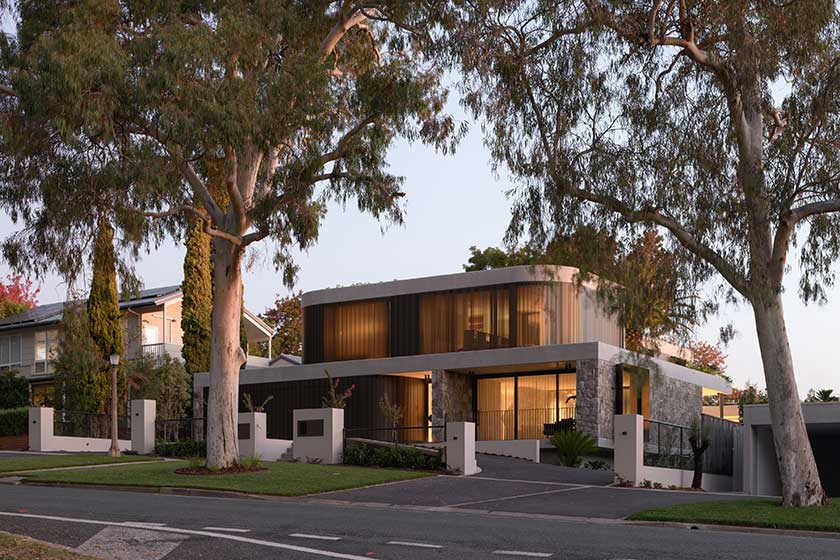
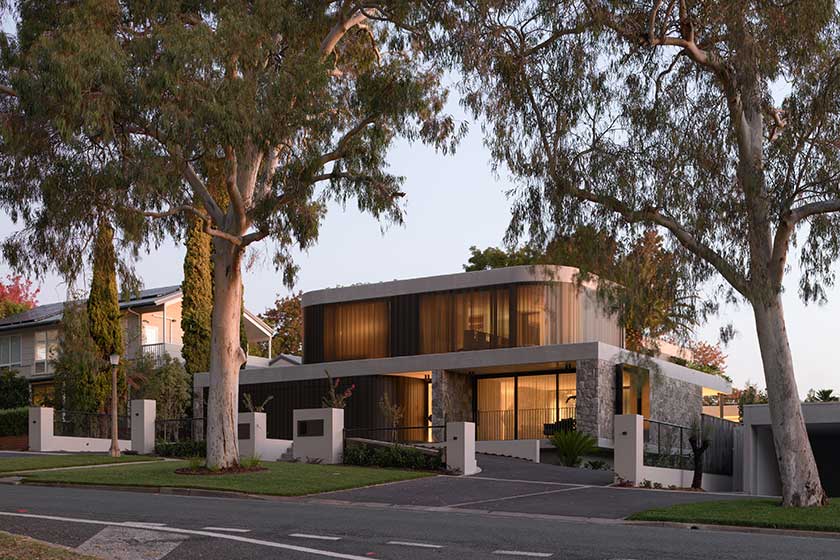
conneQt at Halo House Deakin
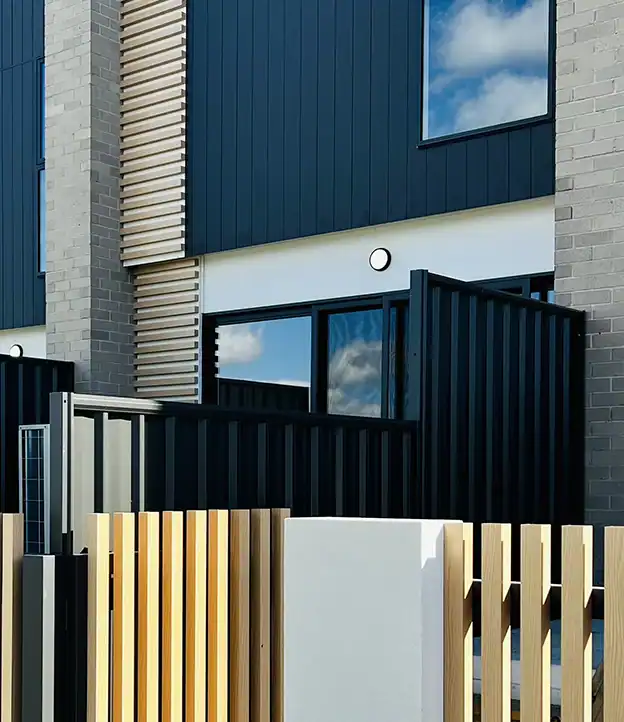
interloQ & conneQt at Elswood Taylor
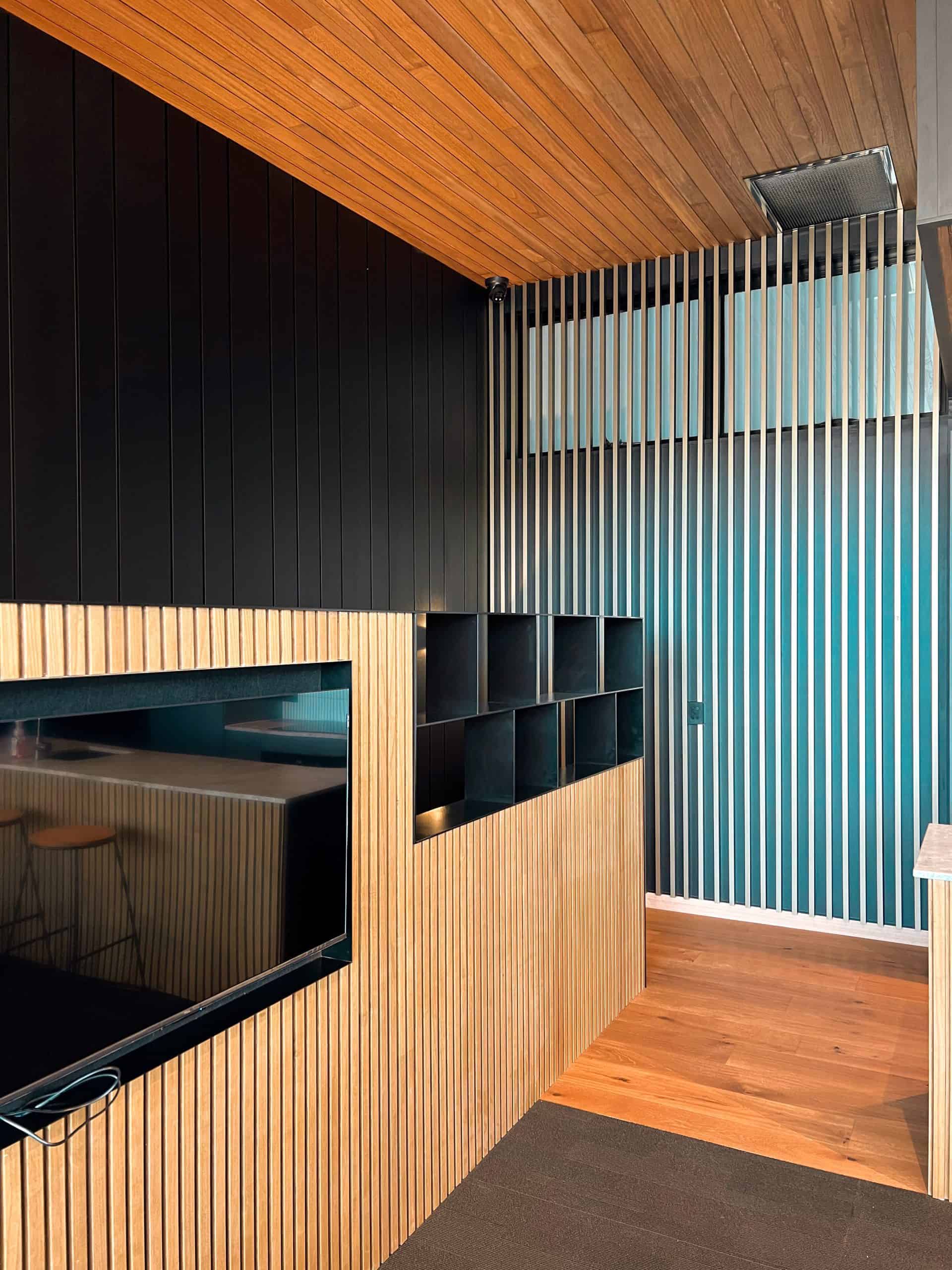
interloQ and conneQt at 8 Beaconsfield Street Fit-Out
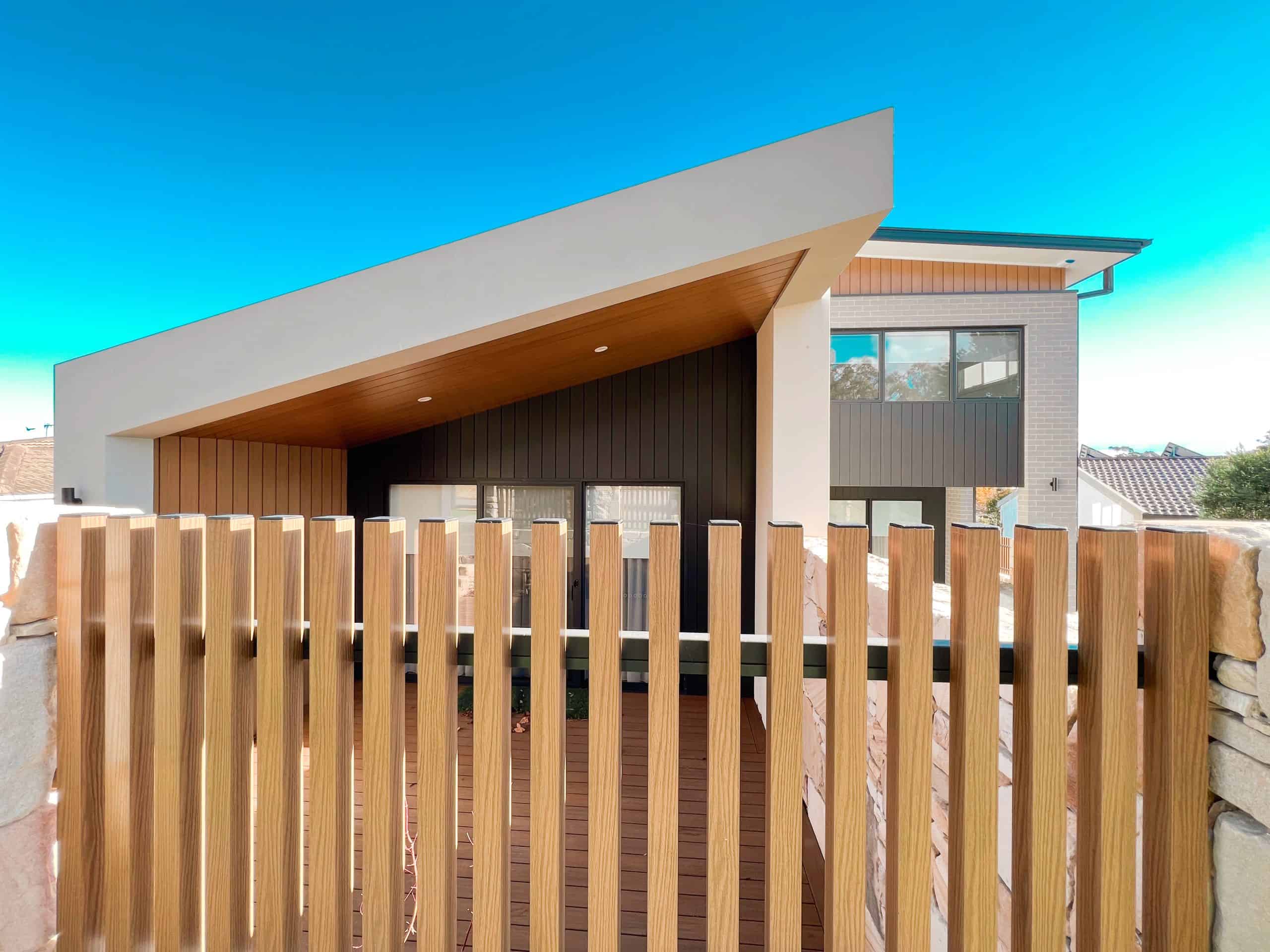
interloQ & conneQt at 14 Sabine Close Garran
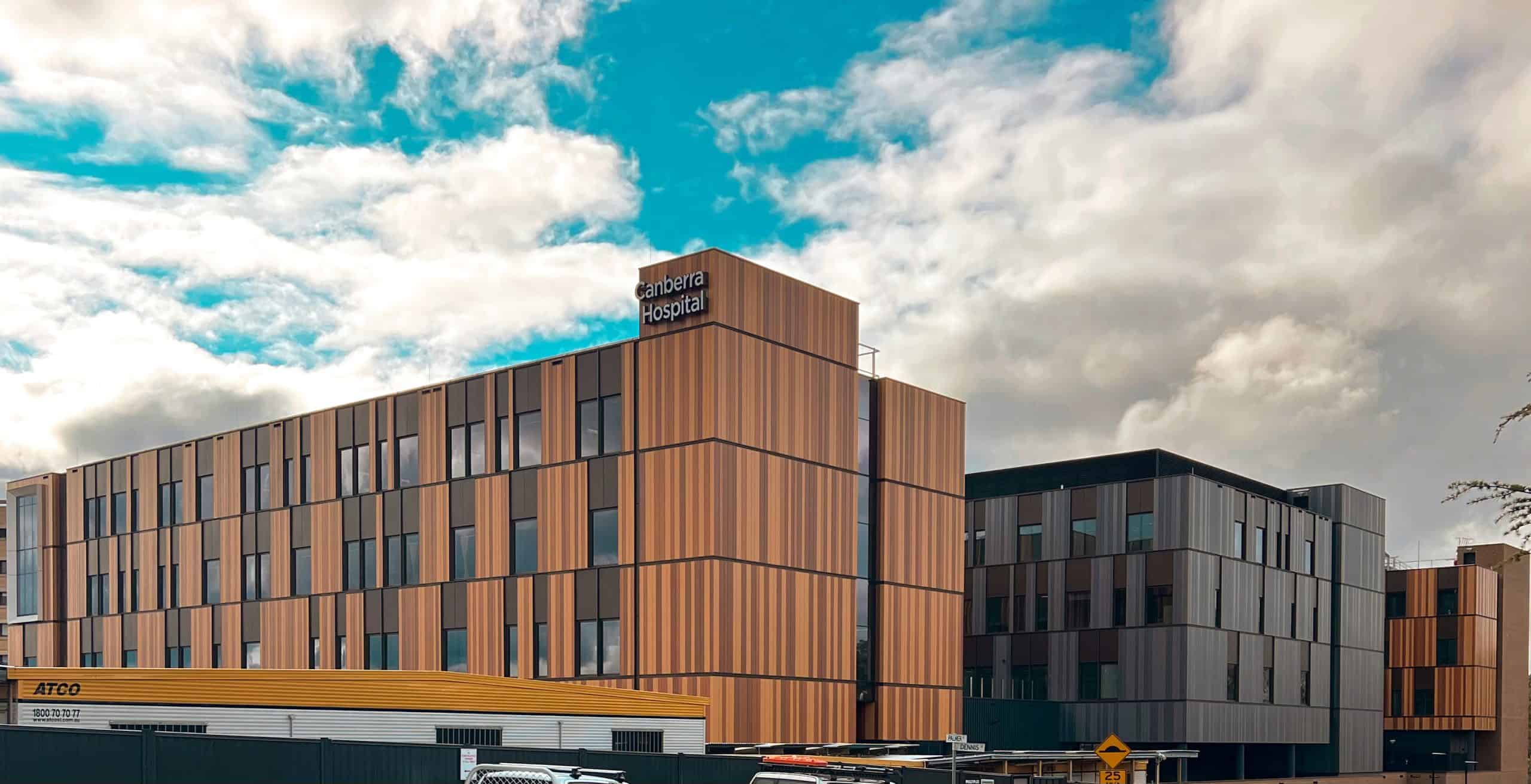
interloQ, conneQt, element13 & 165CW at Canberra Hospital (CHEP)
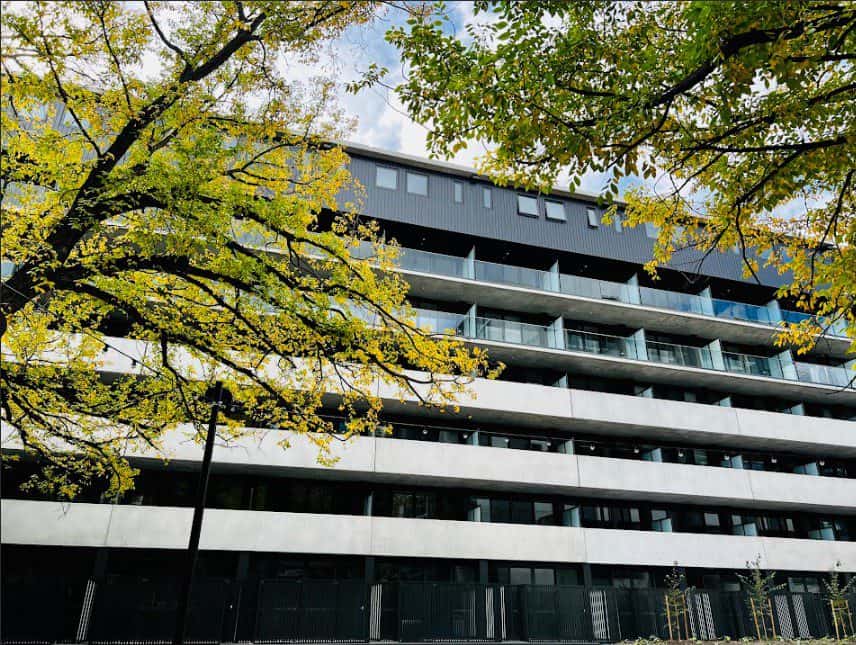
interloQ & conneQt at Founders Lane Stage 2
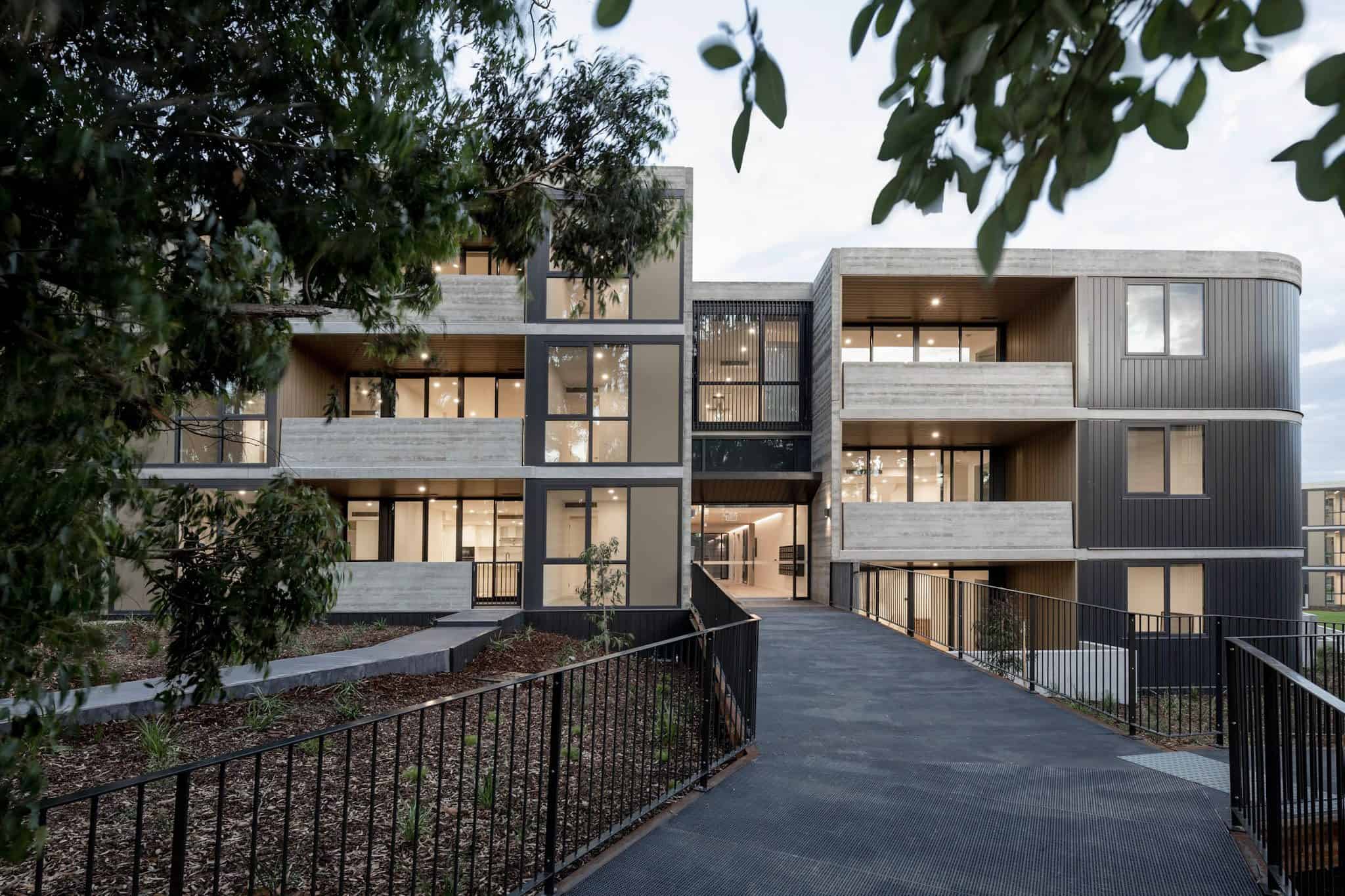
interloQ & conneQt at The Grounds Ivanhoe East
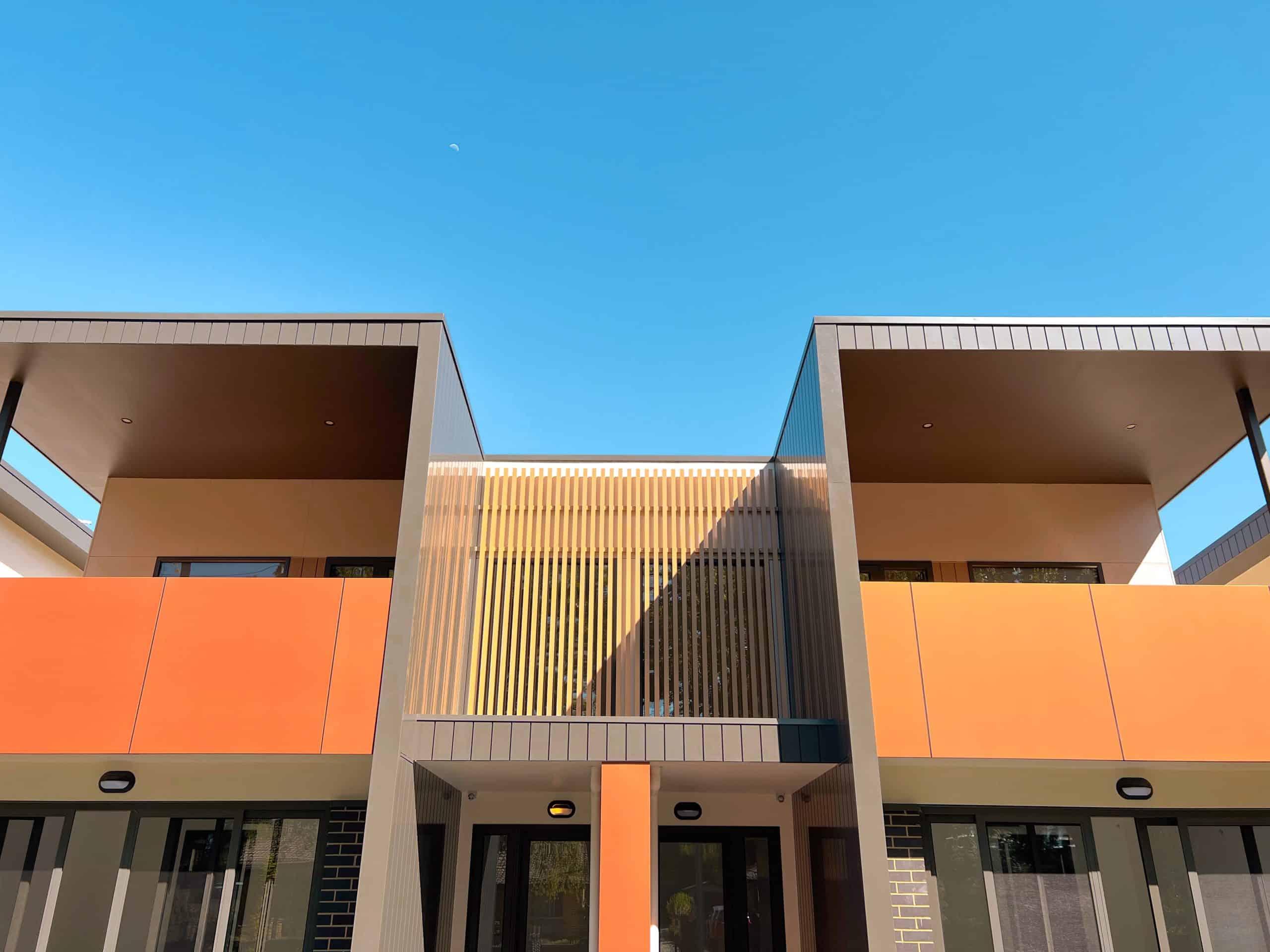
interloQ & conneQt at Lumeah Narrabundah
Ready to use conneQt?
Talk to our team about pricing, samples, or technical support.