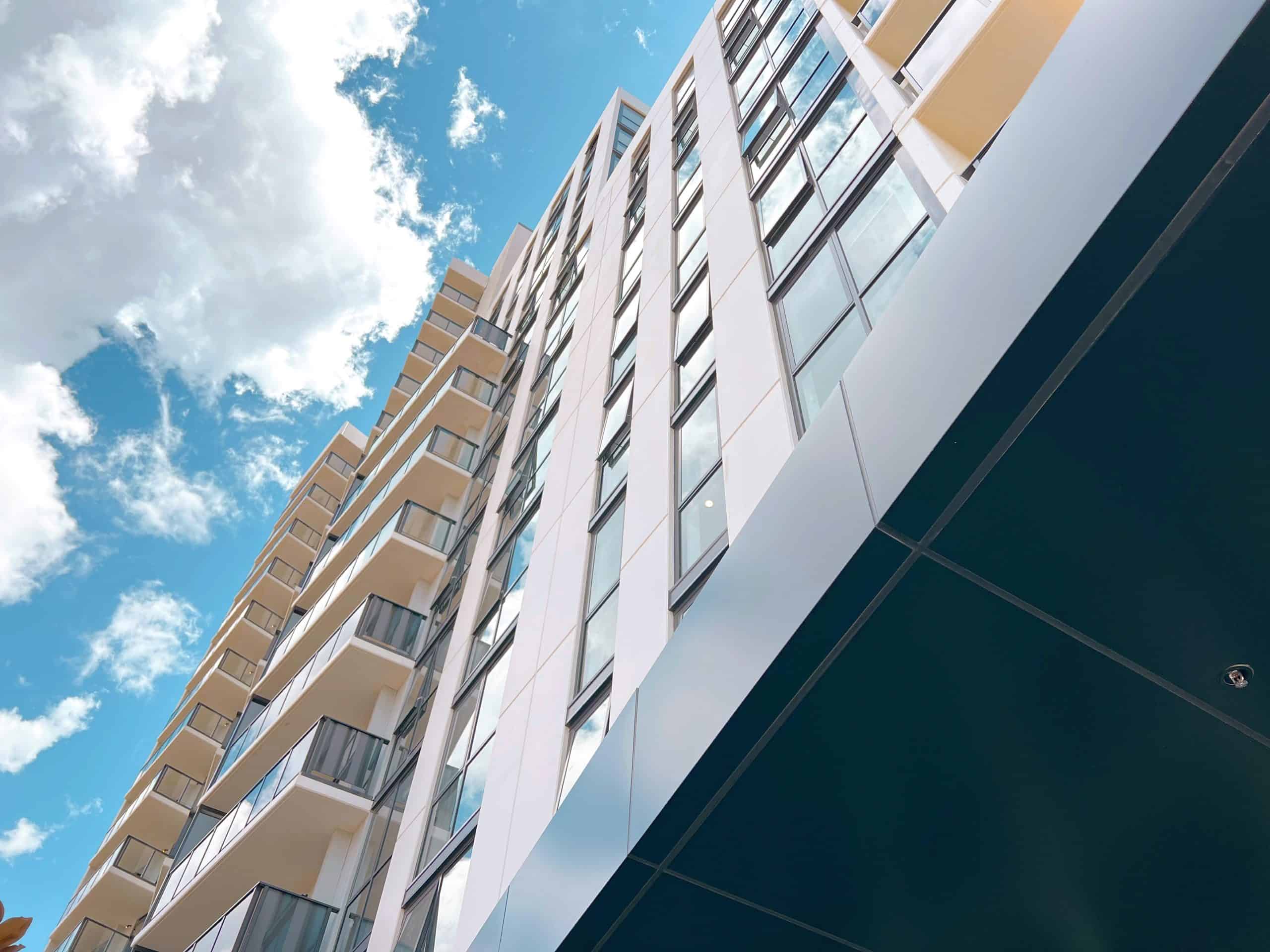
Non-Combustible
CSIRO tested AS1530.1
20-Year Warranty
Substrate & coating
3mm solid aluminium panels
Multiple profiles
100% Recyclable
Solid aluminium
element13 is a 3mm solid aluminium cladding panel system. Non-combustible (CSIRO AS1530.1). 8 independent test reports. PVDF coating. Cyclonic rated. Extensive stock colour range. Supplied by Valmond & Gibson.
Material
3mm solid aluminium
Width
1250mm or 1500mm
Length
3200mm or 4000mm
Weight
8.13 kg/m²
Coating
PPG PVDF paint finishes
Manufacturing Standard
ISO-9001:2015
element13 is a 3mm solid aluminium cladding panel, tested non-combustible to AS1530.1 by CSIRO and backed by eight independent test reports covering fire, weather, impact, hail, structural, and coating performance. Manufactured under ISO-9001:2015 quality management and finished with PPG PVDF paint for superior UV and corrosion resistance, element13 is supplied by Valmond & Gibson with up to a 20-year warranty when installed by a qualified installer.
Why element13 for Australian Facades
The Australian facade market has changed significantly since the regulatory response to combustible cladding. Certifiers, facade engineers, and building surveyors now require comprehensive, independently verified compliance evidence before approving any external cladding product. Documentation that might have been accepted five years ago no longer passes review.
element13 was developed to meet this environment directly. It carries eight independent test reports — more than most cladding products on the Australian market — covering every performance category that project teams typically need to address:
- Combustibility (AS1530.1) — The foundational test. CSIRO report FNC12545 confirms element13 is non-combustible. As solid aluminium, this is a material property, not an engineered outcome.
- Fire indices (AS1530.3) — Ignitability 0, Heat 0, Flame 0, Smoke 1. CSIRO report FNE12552.
- Impact resistance (ASTM E695-03) — Tested by Ian Bennie & Associates, report 2021-083_2.
- Surface indentation (NCC C1.8 Clause 5(d)) — Pass, immeasurable. Ian Bennie & Associates, report 2021-083.
- Weather performance (AS/NZS 4284:2008) — Pass at ±1500Pa SLS. Ian Bennie & Associates, report 2022-031-S2.
- Structural wind loads (AS 4040.3, cyclonic) — SLS 1875Pa, ULS 5559Pa. JFS Engineers, report 23-00156.
- Coating performance (AAMA 2605:2020) — Meets specification. Intertek Shanghai, report 210203002SHF-001.
- Hail impact (ANSI FM 4473) — Meets specification. Ian Bennie & Associates, report 2020-090.
The breadth of this testing suite matters in practice. A certifier reviewing an element13 submission receives a single compliance pack with all eight reports from NATA-accredited laboratories and recognised test authorities. There are no gaps to fill with engineering judgements or additional system-level testing. The evidence package is comprehensive and well established across hundreds of Australian projects.
All test reports are available in the element13 Compliance Pack, which can be downloaded or requested from Valmond & Gibson.
The Compliance Advantage Over Composite Panels
The distinction between solid aluminium and aluminium composite panels (ACP) is fundamental to how facade compliance works in Australia.
Composite panels use two thin aluminium skins — typically 0.5mm each — bonded to a core material. That core determines the panel’s fire performance. Some cores are mineral-filled and perform well in fire testing. Others contain polyethylene or mixed compositions that do not. The challenge for certifiers is that the compliance conversation shifts from the aluminium itself to the core material, the bonding adhesive, the panel edges, and the system-level behaviour under fire conditions. This introduces variables that require additional testing, engineering assessment, and documentation.
With element13, the panel is 3mm of homogeneous solid aluminium. There is no core. There are no bonded layers. There is nothing concealed between surfaces. The material itself is the compliance evidence. When tested to AS1530.1, the result is unambiguous: non-combustible. This is a material property of aluminium, not an engineered outcome that depends on manufacturing consistency or bonding integrity.
This distinction has practical consequences beyond the fire test certificate. Solid aluminium eliminates long-term delamination risk — the failure mode where bonded layers separate over time due to moisture ingress, thermal cycling, or adhesive degradation. For building owners and asset managers, this means the panel at year 20 is structurally the same as the panel at year one.
The regulatory environment post-Grenfell and post-Lacrosse has driven a clear shift in the Australian market. Where composite panels require careful differentiation between core types and additional evidence of system-level performance, solid aluminium provides a straightforward compliance pathway. This is why element13 has become a standard specification on projects where compliance certainty is the priority.
Recladding and Remediation
element13 has become one of the most commonly specified products for ACP remediation projects across Australia. When a building’s existing cladding fails compliance — whether aluminium composite panel, expanded polystyrene, or other combustible material — element13 provides a direct replacement path.
The scale of the remediation task is significant. Victoria’s statewide cladding audit identified over 1,400 buildings requiring assessment, and similar programs have been undertaken in New South Wales, Queensland, and other states. Many of these buildings originally used aluminium composite panels with combustible cores. The remediation solution needs to be unambiguously non-combustible, comprehensively documented, and deliverable within the practical constraints of occupied buildings.
element13 addresses each of these requirements. The solid construction eliminates the core combustibility concern that caused the original failure. The eight-test compliance suite provides certifiers with the documentation they need to approve the remediation work. And the stock colour range, held in Sydney with no minimum order quantity, means urgent remediation projects can be supplied without waiting for a manufacturing run.
For remediation projects specifically, the weight advantage is also relevant. At 8.13 kg/m2, element13 is roughly half the weight of typical 9mm fibre cement panels (15-18 kg/m2). On occupied buildings where structural loading is a consideration, this difference can simplify the engineering and reduce the need for substructure upgrades.
PVDF Coating System
element13 panels are finished with PPG PVDF (polyvinylidene fluoride) paint — the highest-performance architectural coating system available for aluminium facade products. PVDF is tested to AAMA 2605:2020, the most demanding specification for high-performance organic coatings on architectural aluminium.
The difference between PVDF and standard polyester powder coat is most apparent over time. In Australian conditions, with high UV exposure across most climate zones, polyester coatings can begin to chalk, fade, and lose gloss within 7-10 years. PVDF delivers measurably superior performance in UV resistance, chalk resistance, corrosion resistance, and long-term colour retention. Over a 20-year service life, PVDF maintains its appearance without repainting — which is why it is the coating system specified when long-term performance and lifecycle cost matter.
For specifiers, the PVDF coating also simplifies the maintenance conversation with building owners. The ongoing care requirement is straightforward: wash with mild detergent and warm water every three months, more frequently in coastal or industrial environments. No recoating, no specialist treatments.
Colour Range and Availability
element13 offers the widest colour range of any Valmond & Gibson product, with stock colours available for immediate dispatch from the Sydney warehouse at no minimum order quantity.
Stock Colours (No MOQ)
- Solid finishes: Opal, Salt, Tungsten, Charcoal, Carbon, and more
- Metallic finishes: Silver, Mercury, Iron, Nickel, Calamine, and more
Stock colours cover the most commonly specified tones for commercial, residential, and remediation projects. Holding stock in Sydney means lead times are short — panels can ship to any capital city or regional location across Australia without waiting for a manufacturing run.
Non-Stock Colours (MOQ Applies)
- Additional solids and metallics: 30+ colours beyond the stock range
- Woodgrain: Taeda, Burma, Beech, Hickory, Chestnut, Bloodwood — timber-effect finishes that deliver the appearance of wood with the fire performance and durability of solid aluminium
- Imitation: Lava, Rust, Jewel, Ash, Zinc, Bronzite — textured and patina-effect finishes
- Bright: Emerald, Ruby, Cobalt, Sapphire — bold accent colours (warranty subject to assessment due to pigment characteristics)
- Custom colour matching is available for large orders where a specific colour is required to match an architectural intent or existing building elements
Non-stock colours are manufactured to order with a typical lead time of 10-12 weeks. For projects in the early specification stage, this lead time aligns well with normal procurement timelines.
Design and Installation
Panel Dimensions
element13 panels are available in two standard widths (1250mm and 1500mm) and two standard lengths (3200mm and 4000mm), providing four sheet size options that cover most facade panel layouts. All panels are 3mm thick.
Manufacturing tolerances are tight: ±2.0mm on width, ±4.0mm on length, and ±0.18mm on thickness. These are controlled under ISO-9001:2015 quality management systems. Consistent thickness tolerance is particularly important because it directly affects panel flatness and the quality of routed fold lines during fabrication.
Weight
At 8.13 kg/m2, element13 is substantially lighter than fibre cement alternatives. A typical 9mm fibre cement panel weighs 15-18 kg/m2 — roughly double. Lower weight means easier handling on site, reduced crane and lifting requirements, and in some cases, reduced substructure sizing.
Fabrication and Fixing
Panels are fabricated by the installer — cut, routed, and folded to the required dimensions. Standard aluminium fabrication tools and methods apply. Fixing is typically mechanical, using rivets or screws to a supporting substructure. The specific fixing method, spacing, and substructure design are determined by the facade engineer based on project-specific wind load calculations.
Thermal Movement
Aluminium expands and contracts with temperature. Facade engineers account for this in the fixing design by incorporating slotted holes or other movement provisions. This is standard practice for any aluminium facade product and is covered in the element13 Technical Manual.
Specifications
element13 panels are manufactured under ISO-9001:2015 quality management systems. Key specifications:
| Property | Value |
|---|---|
| Material | 3mm solid aluminium |
| Width | 1250mm or 1500mm |
| Length | 3200mm or 4000mm |
| Weight | 8.13 kg/m2 |
| Coating | PPG PVDF paint finishes |
| Width tolerance | ±2.0mm |
| Length tolerance | ±4.0mm |
| Thickness tolerance | ±0.18mm |
Sustainability
element13 is 100% recyclable solid aluminium. Aluminium is one of the most recycled building materials globally, and the recycling process requires only 5% of the energy used to produce primary aluminium — with no loss of material properties. A panel removed at the end of its service life can be recycled into new aluminium products at full value.
For projects targeting Green Star or similar sustainability ratings, the recyclability of solid aluminium is a straightforward credit. There are no mixed materials to separate, no composite layers to deal with, and no contamination concerns. The panel is one material, and that material is infinitely recyclable.
Applications
element13 is used across a wide range of building types and project contexts:
- Recladding and remediation — ACP replacement on residential, commercial, and institutional buildings. The most common application for element13 in the current market.
- New build residential — apartments, townhouses, and mixed-use developments where NCC compliance documentation is a priority.
- Commercial — offices, retail, hotels, and mixed-use. Stock colours and no-MOQ supply suit fast-track commercial programs.
- Healthcare — hospitals, aged care, and medical facilities where non-combustible construction is typically mandatory.
- Education — schools and universities. Non-combustible, low-maintenance, and durable.
- Coastal projects — PVDF coating provides superior corrosion resistance for buildings in marine environments.
- Government and institutional — defence, civic, and public buildings where compliance documentation requirements are stringent.
Maintenance
element13 requires minimal ongoing maintenance. The PVDF coating system maintains its appearance for 20 or more years without repainting.
- Routine cleaning: Wash every three months with mild detergent and warm water
- Coastal and industrial environments: Increase cleaning frequency to remove salt deposits and airborne contaminants
- Spot cleaning: Isopropyl alcohol or methylated spirits are safe for localised cleaning
- Avoid: Solvents, turpentine, and abrasive cleaners on the coated surface
Detailed maintenance guidance is included in the element13 Technical Manual.
Documentation
Three documents cover element13 comprehensively:
- Compliance Pack (32 pages) — All eight test certificates and NATA-accredited laboratory reports. This is typically the first document certifiers request.
- Technical Manual (44 pages) — Specifications, tolerances, installation guidance, fixing details, thermal movement, and maintenance.
- Product Introduction (20 pages) — Colour range, project photography, and product overview.
All documents are available for download or on request from Valmond & Gibson.
Last updated: April 2026
Testing & Compliance
Every claim is independently verified by NATA-accredited laboratories.
Combustibility
Non-combustible- Standard
- AS1530.1:1994
- Authority
- CSIRO
- Report
- FNC12545
Ignitability, Flame, Heat & Smoke
Ignitability 0, Heat 0, Flame 0, Smoke 1- Standard
- AS1530.3:1999
- Authority
- CSIRO
- Report
- FNE12552
Impact Resistance
Pass- Standard
- ASTM E695-03 (NCC C1.8)
- Authority
- Ian Bennie & Associates
- Report
- 2021-083_2
Surface Indentation
Pass — Immeasurable- Standard
- NCC C1.8 Clause 5(d)
- Authority
- Ian Bennie & Associates
- Report
- 2021-083
Weather Performance
Pass at ±1500Pa SLS- Standard
- AS/NZS 4284:2008
- Authority
- Ian Bennie & Associates
- Report
- 2022-031-S2
Structural (Wind Loads)
SLS 1875Pa, ULS 5559Pa- Standard
- AS 4040.3 (cyclonic)
- Authority
- JFS Engineers
- Report
- 23-00156
Coating Performance
Meets specification- Standard
- AAMA 2605:2020
- Authority
- Intertek Shanghai
- Report
- 210203002SHF-001
Hail Impact
Meets specification- Standard
- ANSI FM 4473
- Authority
- Ian Bennie & Associates
- Report
- 2020-090
Specify element13
Download, adapt, submit. Everything your project specification and certifier need.
NCC Compliance Pathway
Deemed-to-Satisfy (DTS) — non-combustible per AS 1530.1. Eight independent test certifications including fire, weather, impact, structural, coating, and hail. Suitable for Type A and Type B construction.
Specification Clause
NatSpec format (.docx)
Compliance Summary
One-page PDF for certifiers
Full Compliance Pack
All test certificates
What your certifier needs
- Combustibility — AS1530.1:1994 (FNC12545)
- Ignitability, Flame, Heat & Smoke — AS1530.3:1999 (FNE12552)
- Impact Resistance — ASTM E695-03 (NCC C1.8) (2021-083_2)
- Surface Indentation — NCC C1.8 Clause 5(d) (2021-083)
- Weather Performance — AS/NZS 4284:2008 (2022-031-S2)
- Structural (Wind Loads) — AS 4040.3 (cyclonic) (23-00156)
- Coating Performance — AAMA 2605:2020 (210203002SHF-001)
- Hail Impact — ANSI FM 4473 (2020-090)
- Structural engineering certification (project-specific)
- Shop drawings stamped by facade engineer
Need help with the approval process? Our team can walk your certifier through the compliance evidence.
Contact our technical teamFAQ
Common questions from architects, specifiers, and installers.
Is element13 non-combustible?
Yes. element13 is tested to AS1530.1 by CSIRO (report FNC12545) and classified as non-combustible. As 3mm solid aluminium, it contains no core material -- it is non-combustible by nature, not by engineering around what it contains.
What fire tests has element13 passed?
element13 has passed eight independent tests: combustibility (AS1530.1), fire indices (AS1530.3, scoring 0/0/0/1), impact resistance (ASTM E695), surface indentation (NCC C1.8), weather performance (AS/NZS 4284), structural wind loads (AS 4040.3, cyclonic rated), coating performance (AAMA 2605:2020), and hail impact (ANSI FM 4473). All reports are available in the compliance pack.
Can element13 be used for recladding projects?
Yes. element13 is one of the most commonly specified products for ACP remediation in Australia. Its solid construction eliminates the core combustibility concerns that caused the original compliance failures. The eight-test compliance suite simplifies the documentation process for certifiers approving remediation work.
How does element13 compare to composite panels?
element13 is 3mm of solid aluminium with no core. Composite panels use two thin aluminium skins bonded to a core material, which determines fire performance and introduces delamination risk. With solid aluminium, the material itself is the compliance evidence. This distinction changes the compliance pathway entirely.
What are the panel dimensions?
element13 panels are available in two widths (1250mm and 1500mm) and two lengths (3200mm and 4000mm). All panels are 3mm thick and weigh 8.13 kg/m2. Panels are fabricated -- cut, routed, and folded -- to the required dimensions before installation.
What coating system does element13 use?
element13 uses PPG PVDF (polyvinylidene fluoride) paint finishes, tested to AAMA 2605:2020 by Intertek. PVDF delivers superior UV resistance, chalk resistance, and colour retention compared to standard polyester coatings. It is the highest-performance architectural coating system available for aluminium cladding.
What colours are available without minimum order quantities?
Twelve or more stock colours are held in Sydney for immediate dispatch. Solid finishes include Opal, Salt, Tungsten, Charcoal, and Carbon. Metallic finishes include Silver, Mercury, Iron, Nickel, and Calamine. No minimum order quantity applies to stock colours.
What about non-stock and custom colours?
Over 30 additional colours are available with a minimum order quantity, including woodgrain finishes (Taeda, Burma, Beech, Hickory, Chestnut, Bloodwood), imitation finishes (Lava, Rust, Jewel, Ash, Zinc, Bronzite), and bright colours (Emerald, Ruby, Cobalt, Sapphire). Custom colour matching is available for large orders. Lead time is typically 10-12 weeks.
How heavy is element13?
element13 weighs 8.13 kg/m2. For comparison, typical 9mm fibre cement panels weigh 15-18 kg/m2 -- roughly double. The lower weight reduces handling effort on site and can reduce substructure requirements compared to heavier cladding materials.
What wind loads can element13 withstand?
element13 has been tested to AS 4040.3 for cyclonic wind loads by JFS Engineers (report 23-00156). It achieved SLS 1875Pa and ULS 5559Pa. Your facade engineer will determine the required wind pressures based on the building's location, height, and geometry.
What maintenance does element13 require?
Wash every three months with mild detergent and warm water. In coastal or industrial environments, increase the frequency. The PVDF coating maintains its appearance for 20 or more years without repainting. Do not use solvents or turpentine. Isopropyl alcohol or methylated spirits are acceptable for spot cleaning.
What warranty does element13 carry?
element13 carries a warranty of up to 20 years when installed by a qualified installer. The warranty covers both the aluminium substrate and the PVDF coating system. Panels are 100% recyclable at end of life with no loss of material properties through the recycling process.
What compliance documentation is available?
Three documents cover element13 in detail: a 32-page compliance pack with all eight test certificates, a 44-page technical manual covering specifications, tolerances, installation, and maintenance, and a 20-page product introduction with colour range and project photography. All are available for download or on request.
Where is element13 manufactured?
Panels are manufactured in China under ISO-9001:2015 quality management systems with PPG-approved PVDF coating facilities. Stock colours are held in Valmond & Gibson's Sydney warehouse for immediate dispatch across Australia. Non-stock colours are manufactured to order with a typical lead time of 10-12 weeks.
Technical Guides
In-depth guides for specifiers, installers, and project teams.
element13 Specification Guide
Complete specification reference -- 8 independent test certifications, PVDF coating, colour range, and design considerations.
Read guideSolid Aluminium vs Composite Panels
Understanding the compliance differences between solid aluminium and aluminium composite panels -- post-Grenfell regulatory landscape.
Read guideAluminium vs Fibre Cement Cladding
Honest comparison of aluminium and fibre cement -- fire performance, durability, maintenance, lifecycle cost.
Read guideNCC Facade Requirements by Building Class
Which NCC compliance evidence is required for your building classification.
Read guideFacade Maintenance Guide
Practical maintenance guide -- cleaning methods, inspection checklist, and lifecycle cost comparison.
Read guideelement13 Projects
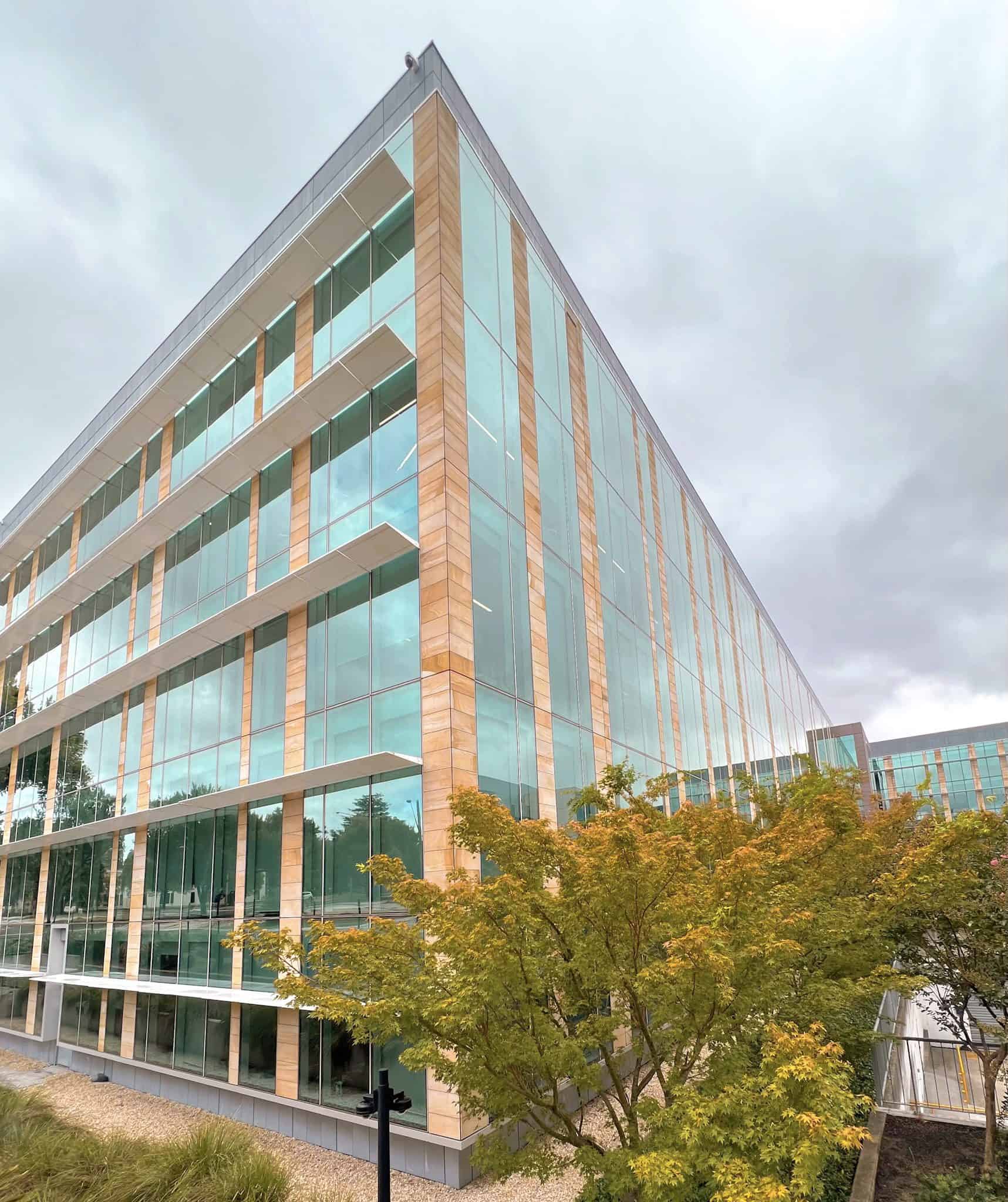
element13 at 1 National Circuit Reclad
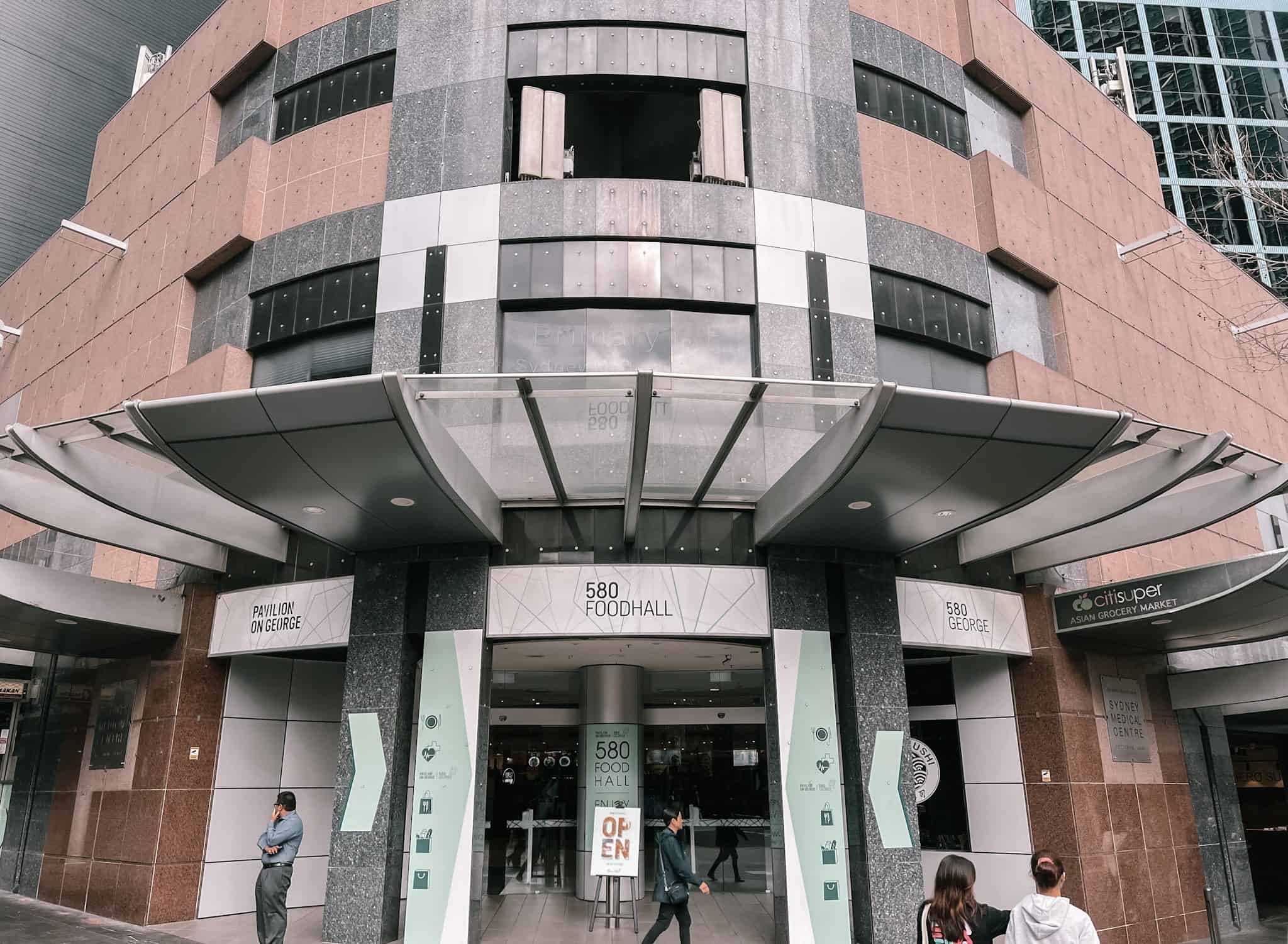
element13 at 580 George Street Reclad
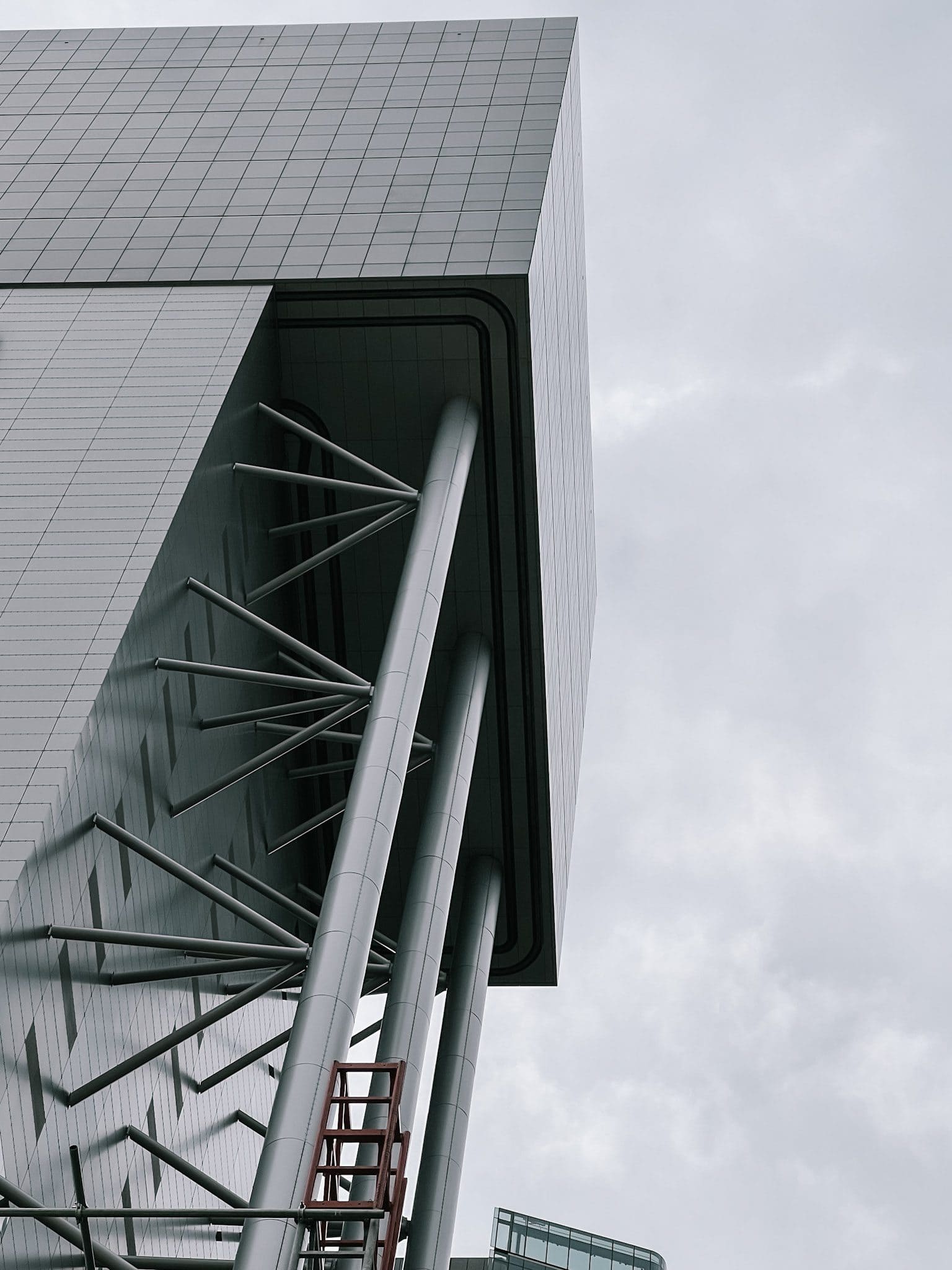
element13 at Brisbane Square Reclad
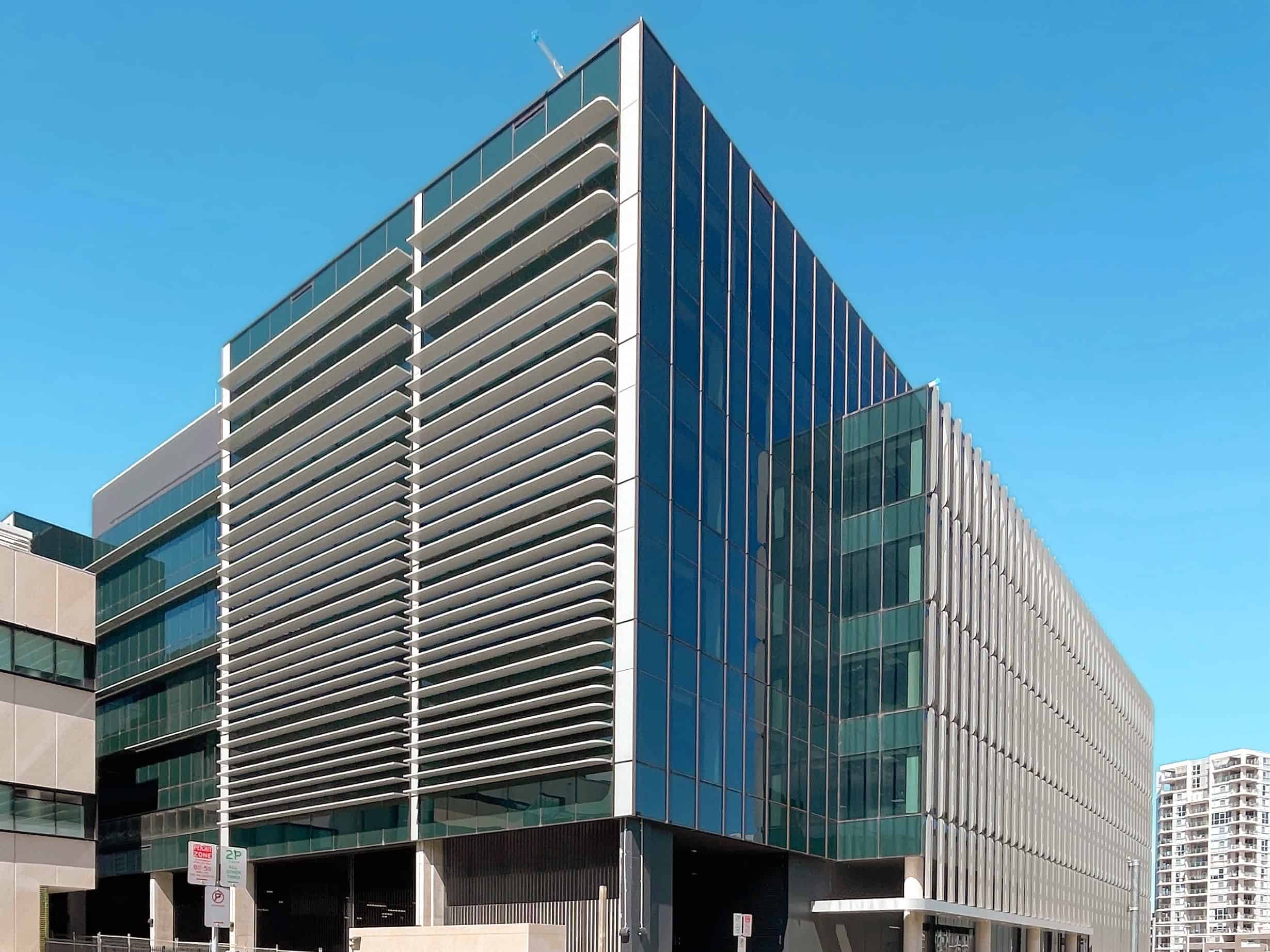
element13 at 1 City Hill
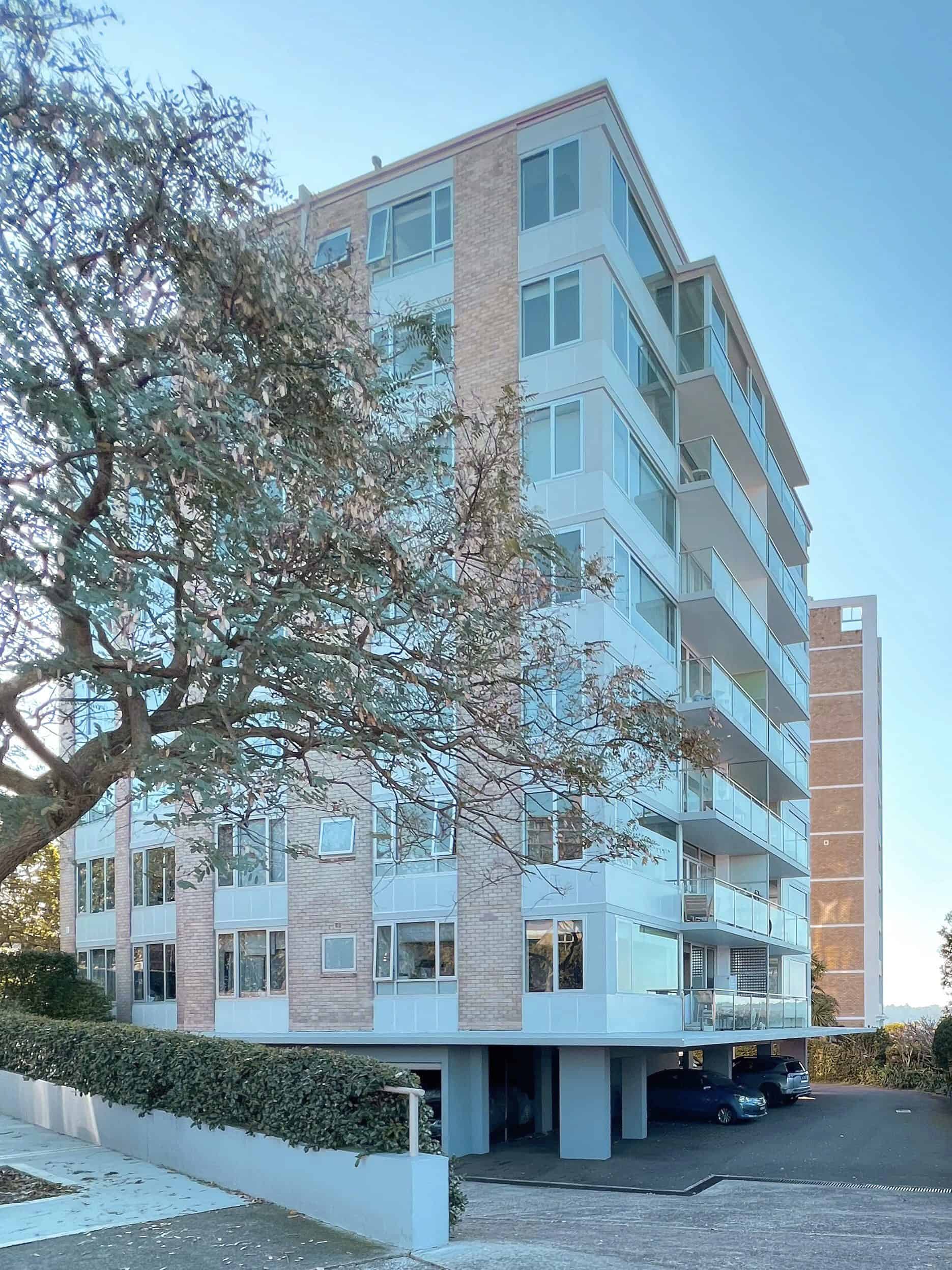
element13 at 1 Sutherland Crescent Darling Point Reclad
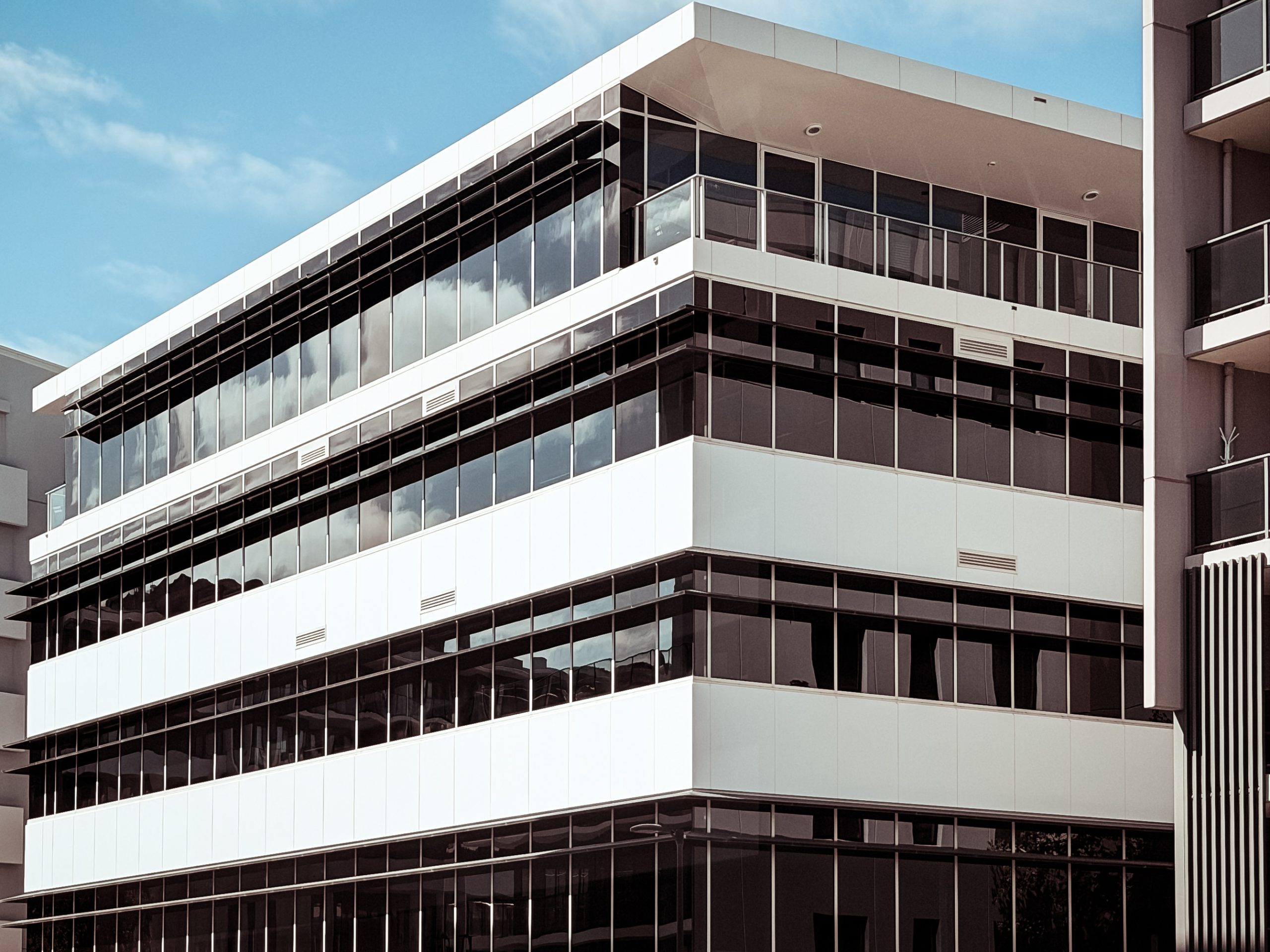
element13 at 113 Canberra Ave Reclad
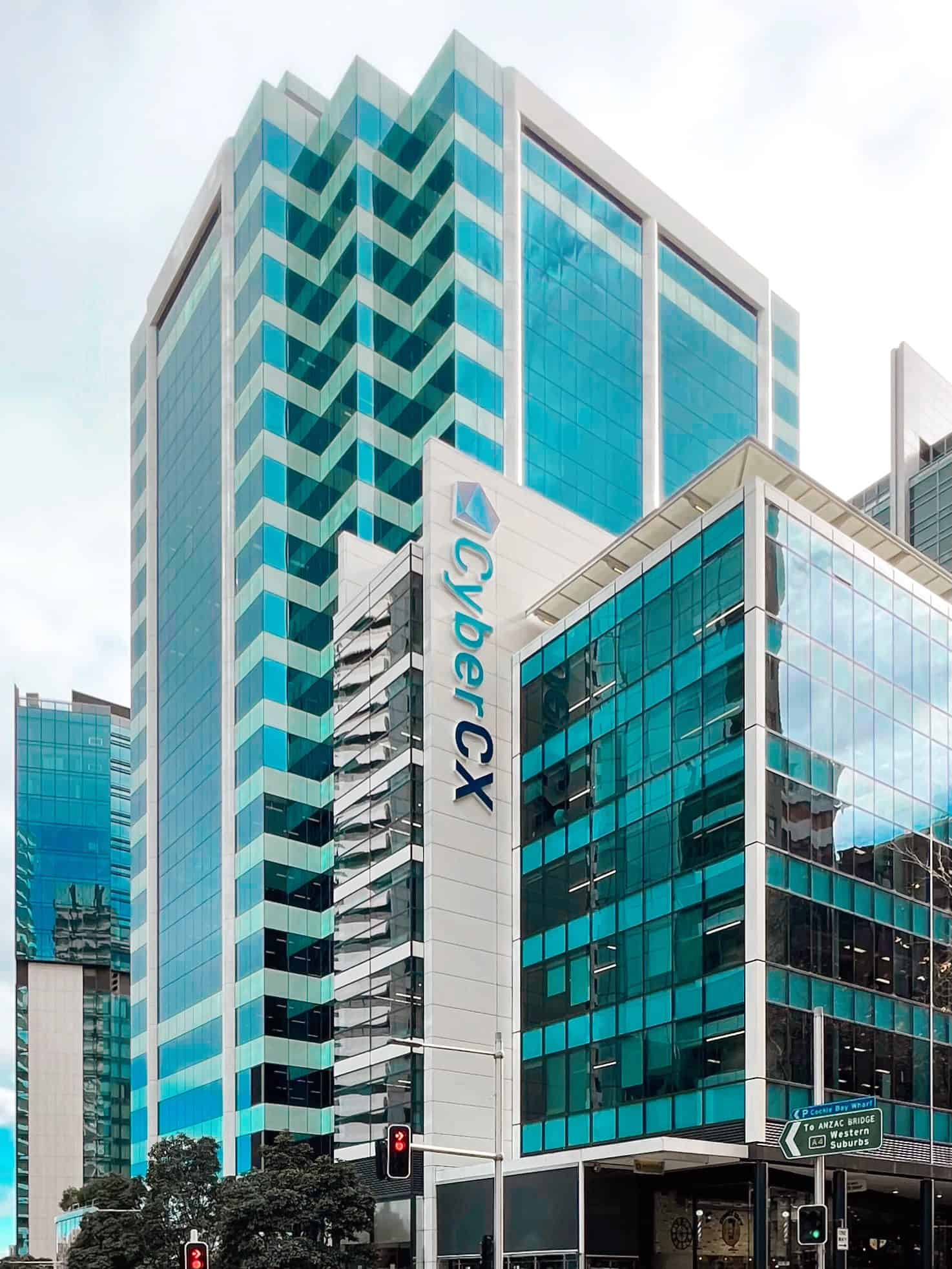
element13 at 2 Market Street Reclad
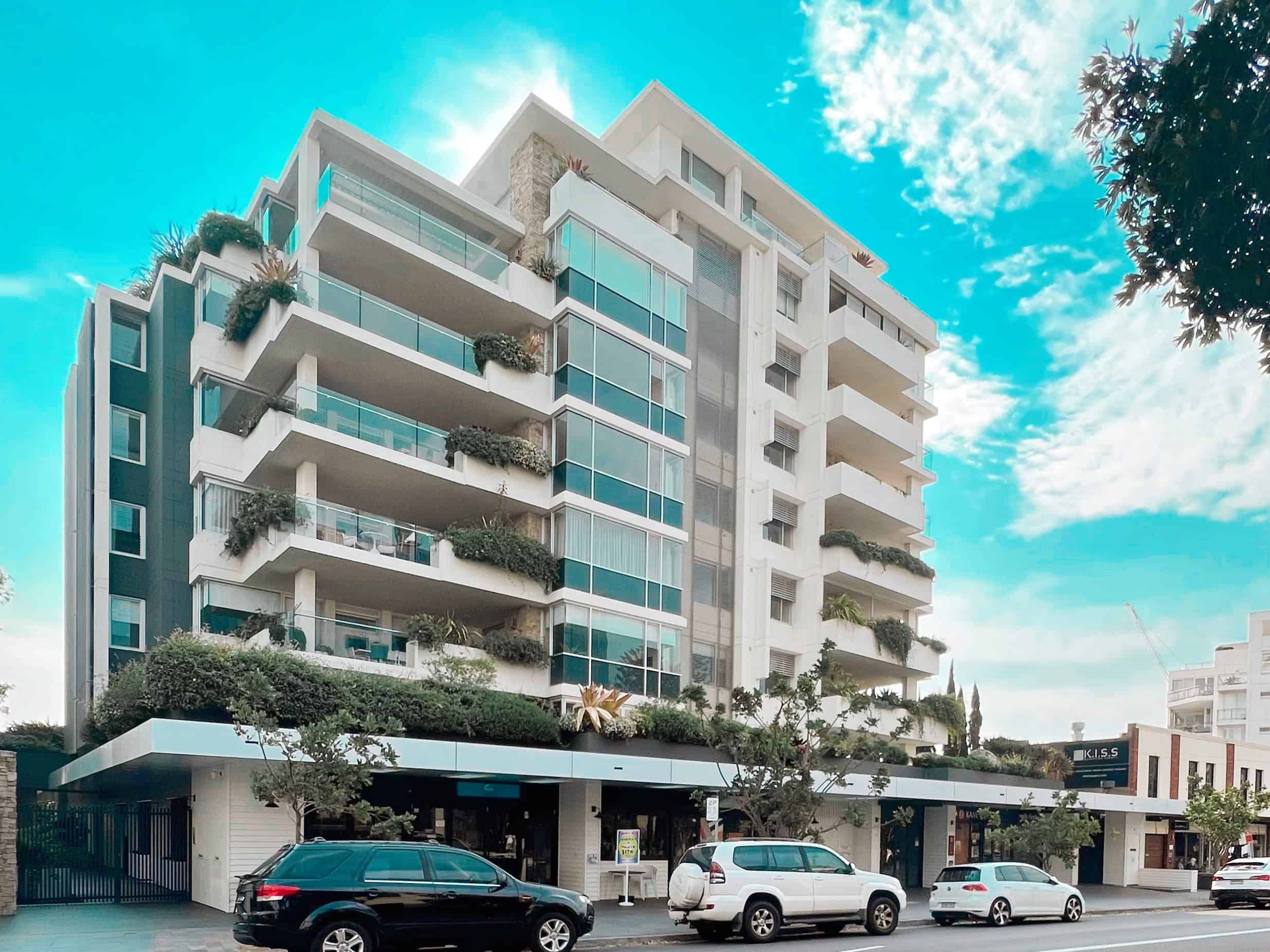
element13 at 25 Gerrale Street Cronulla Reclad
Ready to use element13?
Talk to our team about pricing, samples, or technical support.