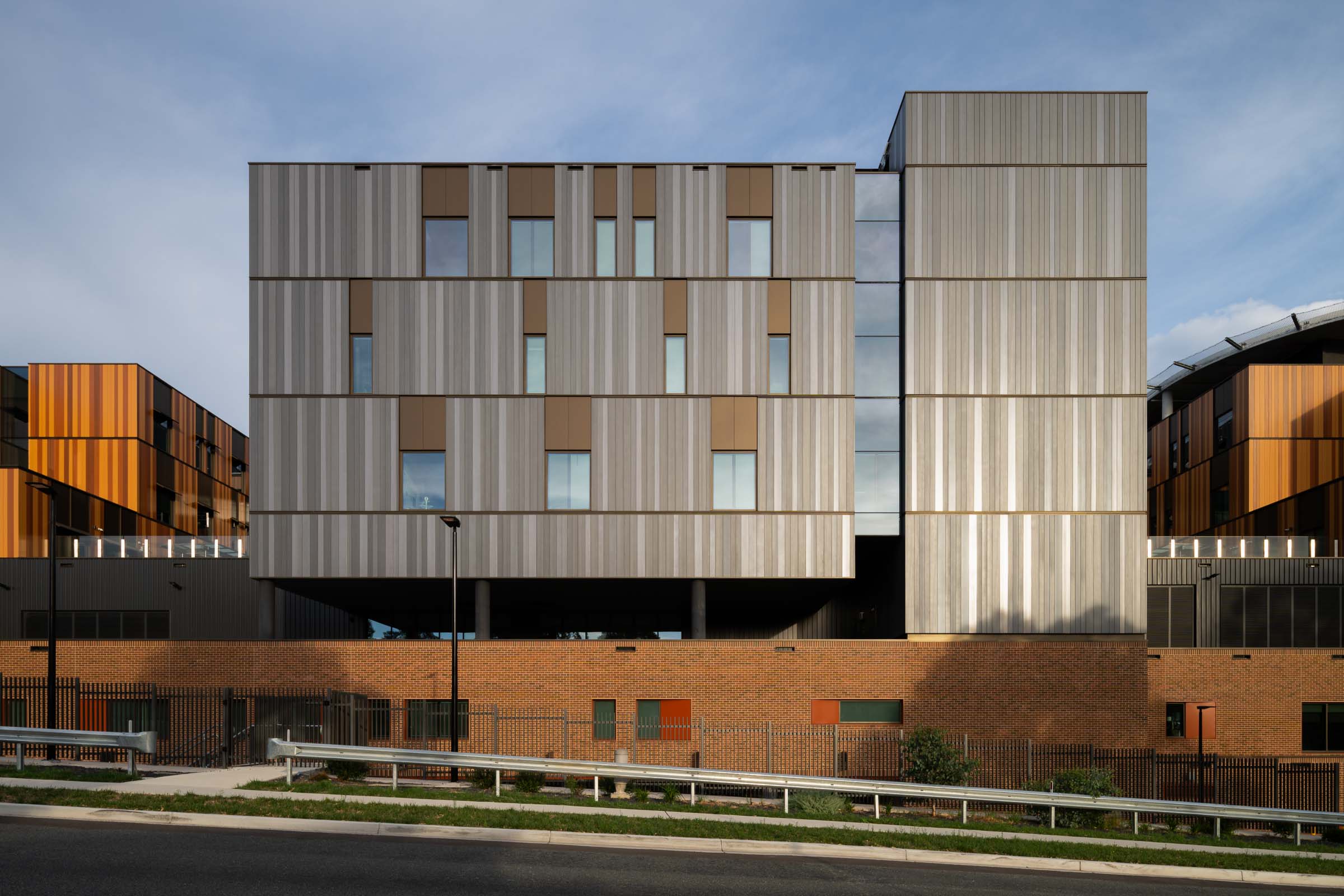
Non-Combustible
CSIRO tested AS1530.1
20-Year Warranty
Substrate & coating
Extruded aluminium
1.8 – 3.5mm
100% Recyclable
Solid aluminium
interloQ is a non-combustible interlocking aluminium rainscreen cladding system. CSIRO tested to AS1530.1. NCC compliant. Up to 20-year warranty. Supplied by Valmond & Gibson.
Alloy
6060/6063, T5 temper
Thickness
1.8 – 3.5mm
Density
2,680 kg/m³
Tensile Strength (Ultimate)
180 MPa
Tensile Strength (Yield)
140 MPa
Modulus of Elasticity
68 GPa
interloQ is a non-combustible interlocking aluminium rainscreen cladding system designed, tested, and supplied by Valmond & Gibson. Tested to AS1530.1 by CSIRO and compliant with the National Construction Code, interloQ is made from extruded aluminium alloy 6060/6063 in T5 temper. The system’s interlocking connection allows individual panels to be replaced without disturbing adjacent panels, and it carries a warranty of up to 20 years when installed by a qualified installer.
interloQ is V&G’s highest-volume cladding product, used across residential, commercial, government, health, education, and defence projects throughout Australia. It is a true rainscreen system — the panels form the outer skin of a ventilated, drained cavity that manages moisture through airflow and drainage rather than relying on a sealed face.
Why Architects and Specifiers Choose interloQ
interloQ solves the core problem every facade specifier faces: finding a cladding system that is genuinely non-combustible, independently tested, fully documented, and versatile enough for any building type. Unlike composite panel systems that rely on bonded layers, interloQ is solid extruded aluminium — there is nothing to delaminate, nothing to burn.
The system is designed in accordance with AS1170 and quality controlled to AS/NZS 1866:1997 extrusion tolerances. Weather performance has been independently tested to AS/NZS 4284:2008 by Ian Bennie & Associates (NATA accredited laboratory #2371), passing at +/-1500Pa serviceability limit state (report 2022-031-S1).
For compliance-sensitive projects — particularly Type A and Type B construction under the NCC — interloQ provides a straightforward path. The non-combustibility classification under AS1530.1 is a function of the material itself, not a function of assembly or adhesive performance. This simplifies the evidence of suitability documentation that certifiers require and reduces the risk of compliance issues during the approval process.
V&G supplies a 38-page compliance pack, a 67-page technical manual, a 28-page product introduction, and CAD files in .dwg format. These documents are structured for direct inclusion in facade engineering submissions and building approval applications.
The Rainscreen Principle
interloQ is a rainscreen cladding system, which means it works as the outer layer of a ventilated, drained cavity wall. Understanding how that cavity works is important for specifiers, because the performance of a rainscreen depends on the system design, not just the panel material.
In a rainscreen wall, the outer cladding (the interloQ panels) deflects the majority of rainwater. Behind the panels sits a ventilated cavity — typically 20-50mm deep depending on the supporting framework — followed by a weather-resistant barrier (sarking or membrane) that provides the secondary line of defence. The cavity is open at the top and bottom to allow airflow.
This arrangement manages moisture in three ways:
-
Drainage — Any water that passes the outer skin runs down the back face of the panels and drains out at the base of the cavity. The interlocking panel joints are not sealed, which is deliberate — the system is designed to drain, not to resist water entry at the face.
-
Ventilation — Continuous airflow through the cavity promotes drying. Moisture from condensation, minor leakage, or vapour drive from the building interior is removed by evaporation as air circulates behind the panels.
-
Pressure equalisation — The ventilated cavity reduces the pressure differential between the exterior and the cavity, which in turn reduces the force driving rain through the panel joints. This is the principle that distinguishes a rainscreen from a simple cladding screen: the cavity is doing active work to manage wind-driven rain, not just providing an air gap.
The practical result is a facade that is significantly more tolerant of real-world conditions than a face-sealed system. Face-sealed facades rely entirely on sealant joints and panel gaskets to prevent water entry — and when those seals fail (as they eventually do), water enters the wall assembly with no drainage path. Rainscreen systems accept that some water will reach the cavity and provide a managed route for it to exit.
interloQ’s interlocking panel design creates a consistent cavity depth across the full facade area. The pre-punched fixing slots allow precise positioning on the supporting framework, maintaining the cavity geometry that the drainage and ventilation performance depends on.
Applications
interloQ is used across virtually every building type in Australian construction:
- Domestic homes — single dwellings and townhouses, typical project size $20K-$50K
- Multi-storey residential — build-to-rent and apartment developments, typical project size $150K-$200K
- Government buildings — hospitals, defence facilities, civic centres, court buildings
- Commercial — offices, retail, mixed-use developments, data centres
- Education — schools, universities, TAFE campuses
- Recladding — replacement of non-compliant cladding on existing buildings, particularly ACP remediation projects
- Industrial and transport — warehouse facades, airport terminals, station canopies
The system’s versatility comes from the combination of multiple panel widths, vertical or horizontal orientation, and a wide finish range. A single project can use different interloQ profiles across different elevations while maintaining a consistent installation methodology and fixing system. This reduces the number of trade-specific details the installer needs to manage on site.
Panel Design and Installation
interloQ panels feature pre-punched fixing slots and a common installation method across all panel sizes. Installers work with the same fixing approach regardless of panel width or orientation, which reduces the learning curve and the scope for installation error on multi-profile projects.
The interlocking connection is the defining feature of the system. Each panel locks into its neighbour mechanically, creating a continuous facade surface without exposed fixings. This connection serves two purposes: it provides the clean visual line that architects want, and it allows any single panel to be removed and replaced without affecting the surrounding facade. That interchangeability is a practical advantage during construction (when panels are frequently damaged by other trades) and over the building’s life (when localised damage or modification requires panel replacement).
Panels can be installed vertically or horizontally. The choice is typically driven by the architectural intent and the building’s geometry — vertical orientation tends to emphasise height, horizontal orientation creates a linear, layered effect. Both orientations use the same panel profiles and the same fixing methodology, so the decision is aesthetic rather than structural.
The system is compatible with the conneQt aluminium batten and adaptor system, allowing integrated facade designs that combine cladding panels with architectural battens, fins, and screening elements. conneQt uses the same 6060/6063 alloy family and is available in the same finish options, so colour consistency across the combined system is straightforward.
Fabrication
interloQ panels are fabricated using standard aluminium working methods:
- Cut with standard aluminium cutting saws (track-guided for wide extrusions)
- Drill with HSS centre point drill bits
- Fix with rivets or screws
- Do not weld — heat affects the finished coating and compromises the T5 temper of the aluminium
Because panels are extruded aluminium, length is flexible and cut to order within practical handling and transport limits. This means panels can be sized to suit specific floor-to-floor heights or facade module dimensions without waste from fixed sheet sizes — a meaningful difference from panel products that come in standard sheet dimensions.
Coastal and Harsh Environments
Aluminium’s natural corrosion resistance makes interloQ well suited to coastal, marine, and industrial environments where other cladding materials can deteriorate rapidly.
When aluminium is exposed to air, it forms a thin, stable oxide layer on the surface — typically 2-3 nanometres thick — that acts as a natural barrier against further corrosion. This oxide layer is self-healing: if the surface is scratched or abraded, the oxide reforms almost immediately on exposure to air. This is a fundamental material property, not a coating or treatment that can wear off.
The practical advantages for coastal projects are significant:
- No cut-edge corrosion — Unlike steel cladding, where cutting through the protective coating exposes raw steel to salt air, cut edges of aluminium extrusions self-protect through oxide formation. This eliminates a common failure point on steel facade systems in marine environments.
- No galvanic acceleration in salt air — Aluminium’s position in the galvanic series means it does not suffer the accelerated corrosion that affects dissimilar metal combinations in salt-laden atmospheres, provided standard isolation detailing is followed at connections.
- Stable long-term appearance — Uncoated aluminium weathers to a consistent matte grey over time. Coated aluminium (powder coat or anodised) retains its finish appearance well, particularly with the recommended 3-monthly wash cycle.
For projects within 1km of the coastline, or in heavy industrial areas, more frequent cleaning is recommended — monthly or as conditions dictate — to prevent salt or contaminant build-up that can affect coating appearance over time. The underlying aluminium substrate remains structurally unaffected.
Finishes
interloQ is available in a wide range of finishes to suit any architectural intent:
- Powder coat — the full Interpon D2525 colour range plus Structura textured finishes for a natural, tactile surface. Powder coat offers the widest colour selection and is the standard choice for most projects. Matte, satin, gloss, and textured options are all available.
- Anodised — natural, bronze, and black options for a metallic finish where the transparent oxide layer lets the natural aluminium grain show through. Anodised surfaces are harder than powder coat and develop a distinctive character with age. Best suited to projects where a metallic, industrial aesthetic is the intent.
- Woodgrain — timber-effect finishes that deliver the warmth of wood with the durability and fire performance of aluminium. Increasingly used on residential and education projects where timber is the desired aesthetic but combustibility or maintenance concerns rule out natural wood.
- Custom colours — colour matching available for project orders. Send a colour reference and V&G will provide a sample.
Because the finish is applied after extrusion, any panel profile in the interloQ range can be supplied in any available finish. interloQ, element13, and conneQt can all be powder coated in the same colour from the same batch, allowing a facade to combine interlocking panels, solid aluminium panels, and battens in a consistent finish across the full elevation.
Sustainability
interloQ panels are 100% recyclable. Aluminium is one of the few building materials that retains its full material properties through the recycling process — recycled aluminium is chemically and mechanically identical to primary aluminium, and can be recycled indefinitely without degradation.
The energy case is significant. Recycling aluminium requires approximately 5% of the energy used in primary production. For a material with a service life measured in decades and a recycling rate in the construction sector that continues to climb, the lifecycle energy profile of aluminium cladding compares favourably to materials that degrade, cannot be recycled, or lose material properties through the recycling process.
interloQ’s contribution to a building’s sustainability profile includes:
- Material longevity — a 20-year warranty period, with the underlying aluminium substrate capable of lasting well beyond that with basic maintenance
- End-of-life value — aluminium retains significant scrap value, creating an economic incentive for recovery and recycling at the end of a building’s life
- No hazardous degradation — aluminium does not release fibres, particles, or chemical compounds as it ages, unlike some alternative cladding materials
- Lightweight — at 2,680 kg/m3, aluminium is approximately one-third the density of steel, reducing structural loads and the associated material required in the supporting structure
Maintenance
Clean every 3 months (more frequently in coastal or industrial environments). Use mild detergent with warm water. Do not use solvents or turpentine on powder-coated surfaces. Isopropyl alcohol or methylated spirits are safe for spot cleaning.
Routine maintenance is minimal — interloQ does not require repainting, re-sealing, or protective treatment over its service life. If a panel is damaged, the interlocking system allows it to be replaced individually without scaffolding the full facade or disturbing adjacent panels. This keeps maintenance costs predictable and avoids the large-scale remediation events that can affect facade systems where damage propagates or where panel replacement requires sequential disassembly.
For buildings in standard urban environments, the 3-monthly wash cycle is sufficient to maintain appearance and coating performance. For buildings in aggressive environments — coastal, industrial, or areas with heavy particulate fallout — a more frequent cycle and periodic inspection of fixings and flashings is recommended. The V&G technical team can advise on maintenance schedules for specific project environments.
Last updated: April 2026
Testing & Compliance
Every claim is independently verified by NATA-accredited laboratories.
Combustibility
Non-combustible- Standard
- AS1530.1:1994 (NCC Vol 1, Spec C1.8)
- Authority
- CSIRO (NATA #165)
- Report
- FNC12595
Weather Performance
Pass at ±1500Pa SLS- Standard
- AS/NZS 4284:2008 (NCC Vol 1, Spec C1.8)
- Authority
- Ian Bennie & Associates (NATA #2371)
- Report
- 2022-031-S1
Specify interloQ
Download, adapt, submit. Everything your project specification and certifier need.
NCC Compliance Pathway
Deemed-to-Satisfy (DTS) — non-combustible per AS 1530.1. Suitable for Type A and Type B construction under the NCC.
Specification Clause
NatSpec format (.docx)
Compliance Summary
One-page PDF for certifiers
Full Compliance Pack
All test certificates
What your certifier needs
- Combustibility — AS1530.1:1994 (NCC Vol 1, Spec C1.8) (FNC12595)
- Weather Performance — AS/NZS 4284:2008 (NCC Vol 1, Spec C1.8) (2022-031-S1)
- Structural engineering certification (project-specific)
- Shop drawings stamped by facade engineer
Need help with the approval process? Our team can walk your certifier through the compliance evidence.
Contact our technical teamFAQ
Common questions from architects, specifiers, and installers.
Is interloQ non-combustible?
Yes. interloQ is tested to AS1530.1:1994 by CSIRO (NATA accredited laboratory #165, report FNC12595) and classified as non-combustible. As solid extruded aluminium, it is inherently non-combustible - there is no combustible core, filler, or laminate involved.
Does interloQ meet NCC requirements for external walls?
Yes. interloQ satisfies NCC external wall requirements through two key test results: non-combustibility per AS1530.1 and weather performance per AS/NZS 4284:2008 (report 2022-031-S1, tested to +/-1500Pa serviceability limit state). The system is suitable for use on Type A and Type B construction under the NCC.
What compliance documentation is available?
Valmond & Gibson provides a 38-page compliance pack, a 67-page technical manual, a 28-page product introduction, and CAD files in .dwg format. These documents cover test reports, installation details, structural considerations, and specification guidance.
What aluminium alloy is interloQ made from?
interloQ is extruded from 6060/6063 aluminium alloy in T5 temper. Key mechanical properties include 180 MPa ultimate tensile strength, 140 MPa yield strength, 68 GPa modulus of elasticity, a density of 2,680 kg/m3, and a melting range of 616-654 degrees Celsius.
What thickness options are available?
interloQ panels range from 1.8mm to 3.5mm wall thickness depending on profile selection. The appropriate thickness is determined by the structural requirements of the application, including span, wind load, and fixing arrangement. Refer to the technical manual for profile-specific dimensions.
Can interloQ be installed vertically and horizontally?
Yes. The interlocking connection works in both orientations. The choice is driven by architectural intent, building geometry, and weathering considerations. Both orientations use the same panel profiles and fixing methodology.
What is the rainscreen principle and how does interloQ use it?
A rainscreen is a ventilated, drained cavity between the outer cladding and the building's weather barrier. Rather than relying on a sealed face to keep water out, the system manages moisture through drainage and ventilation within the cavity. Pressure equalisation across the cavity reduces wind-driven rain penetration. interloQ's interlocking panel design creates a consistent drained and ventilated cavity when installed over a supporting framework.
What finish options are available?
interloQ can be finished in powder coat, anodised, or woodgrain effect. Powder coat options include the Interpon D2525 standard range and the Structura textured range. Anodised finishes are available in natural, bronze, and black. Custom colour matching is available for project-specific requirements.
What is the difference between powder coat and anodised finishes?
Powder coat offers a wider colour range including matte, satin, gloss, and textured options, making it the more common choice for colour-critical facades. Anodised finishes produce a metallic appearance where the transparent oxide layer lets the natural aluminium grain show through, resulting in a harder surface with a distinctive character. The two finishes have different performance profiles in UV resistance, scratch hardness, and repairability.
Can individual panels be replaced without removing adjacent panels?
Yes. The interlocking design means each panel is individually removable and interchangeable. A damaged panel can be taken out and replaced on its own without disturbing the surrounding panels. This is a practical advantage for ongoing building maintenance and for addressing site damage during construction.
Can interloQ panels be welded?
No. Heat from welding will damage the finished coating and compromise the temper of the aluminium. All connections should use mechanical fixings - rivets or screws - as detailed in the technical manual. Panels are supplied with pre-punched fixing slots for standard installation.
What maintenance does interloQ require?
Wash panels every three months using mild detergent and warm water. In coastal or industrial environments, more frequent cleaning is recommended to prevent salt or contaminant build-up. Do not use solvents or turpentine on powder-coated surfaces. Isopropyl alcohol or methylated spirits are acceptable for spot cleaning.
What warranty does interloQ carry?
interloQ carries a warranty of up to 20 years when installed by a qualified installer, covering both the substrate and coating. The panels are 100% recyclable at end of life, with aluminium retaining its material properties through the recycling process indefinitely.
What is conneQt and how does it work with interloQ?
conneQt is Valmond & Gibson's aluminium batten and adaptor system. It uses the same 6060/6063 alloy family as interloQ and is available in the same finish options. conneQt integrates with interloQ to add vertical or horizontal battens, architectural fins, and screening features to a facade, and can also be used as a stand-alone system.
Technical Guides
In-depth guides for specifiers, installers, and project teams.
interloQ Specification Guide
Complete specification reference - material specs, compliance testing, finishes, fabrication, and a specification checklist for architects and engineers.
Read guideAluminium vs Fibre Cement Cladding
Honest comparison of aluminium and fibre cement - fire performance, durability, maintenance, lifecycle cost, and when to use each.
Read guideAluminium vs Composite Panels
Understanding the fire performance and compliance differences between solid aluminium and aluminium composite panels.
Read guideAluminium vs Steel Cladding
Practical comparison of aluminium and steel cladding for Australian facades - corrosion, weight, aesthetics, and lifecycle.
Read guideNCC Facade Requirements by Building Class
Which NCC compliance evidence is required for your building classification - practical guide for specifiers and certifiers.
Read guideFacade Maintenance Guide
Practical maintenance guide for building owners - cleaning methods, inspection checklist, and lifecycle cost comparison.
Read guideDownloads
All interloQ documentation.
interloQ Projects
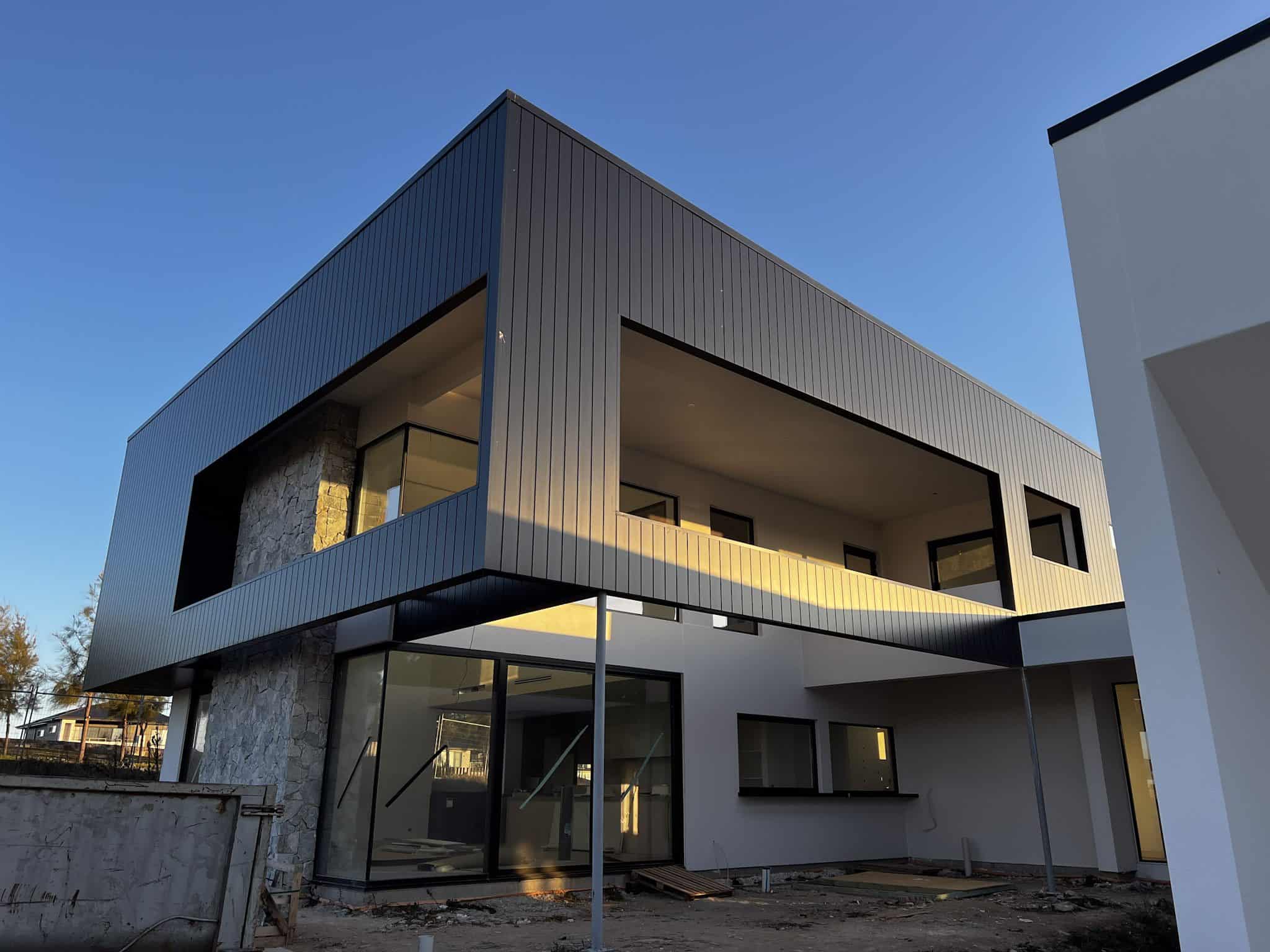
interloQ at 15 Wishart Crescent Denman Prospect
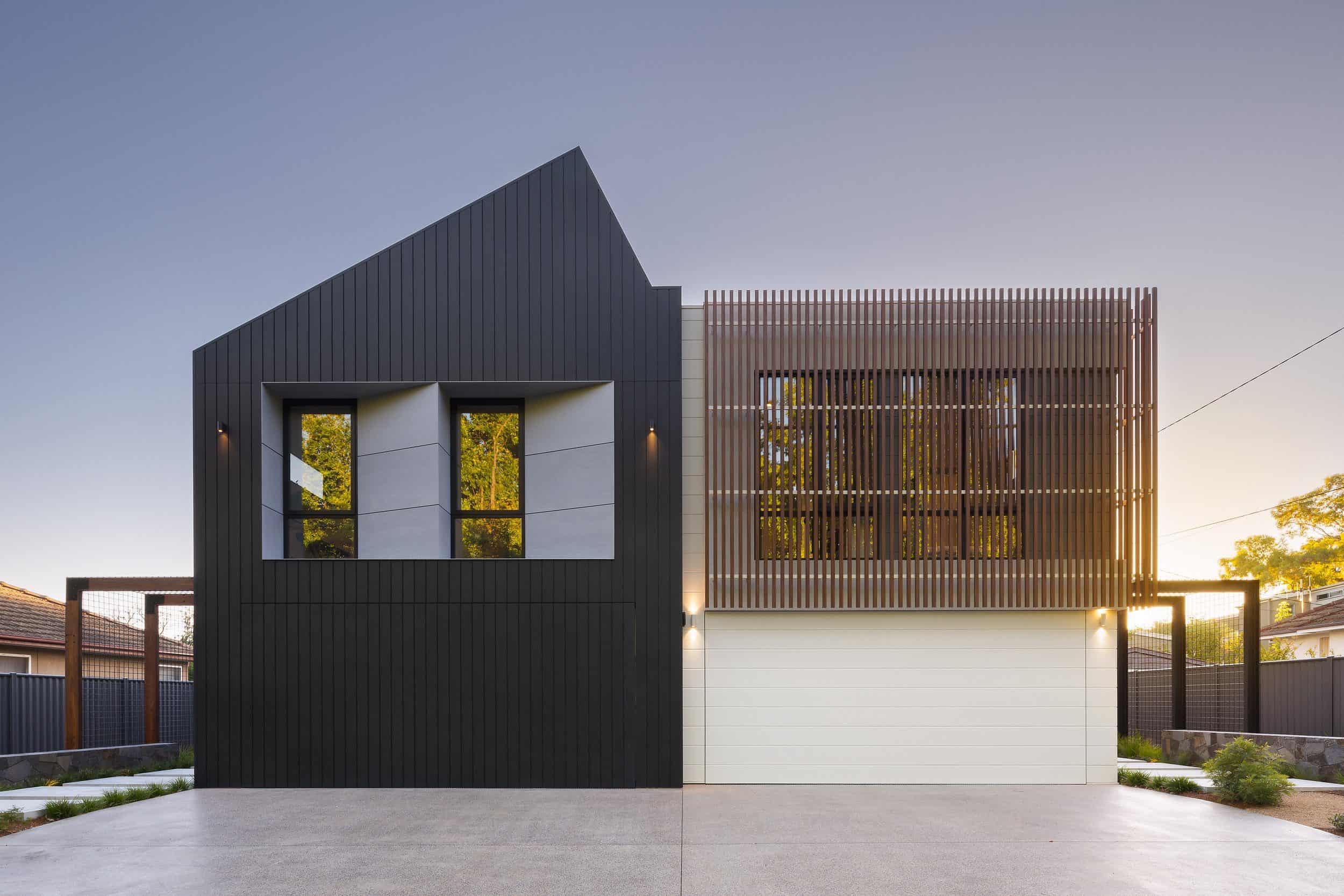
interloQ at 19 Waratah Street O’Connor
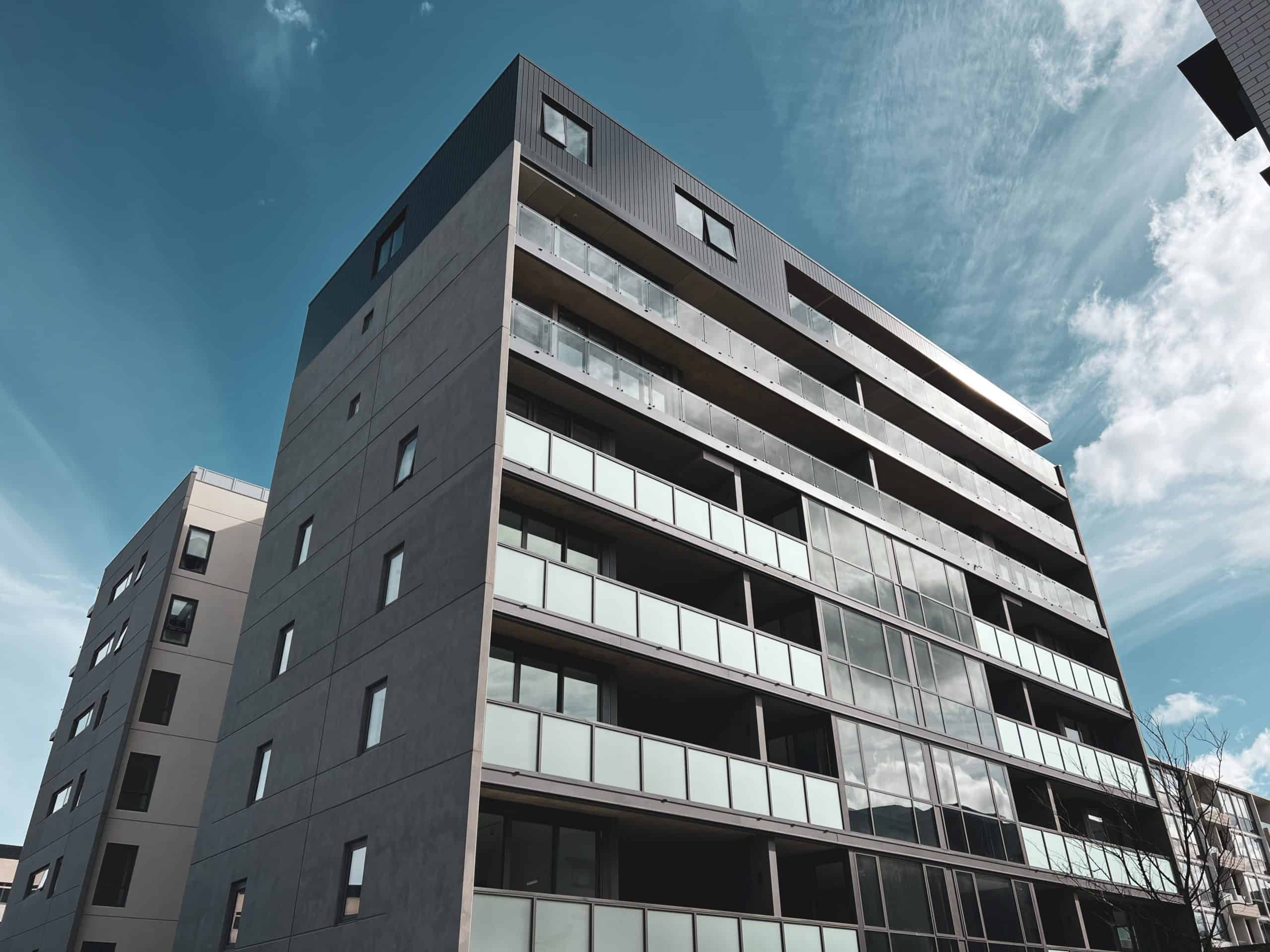
interloQ at 71 Constitution
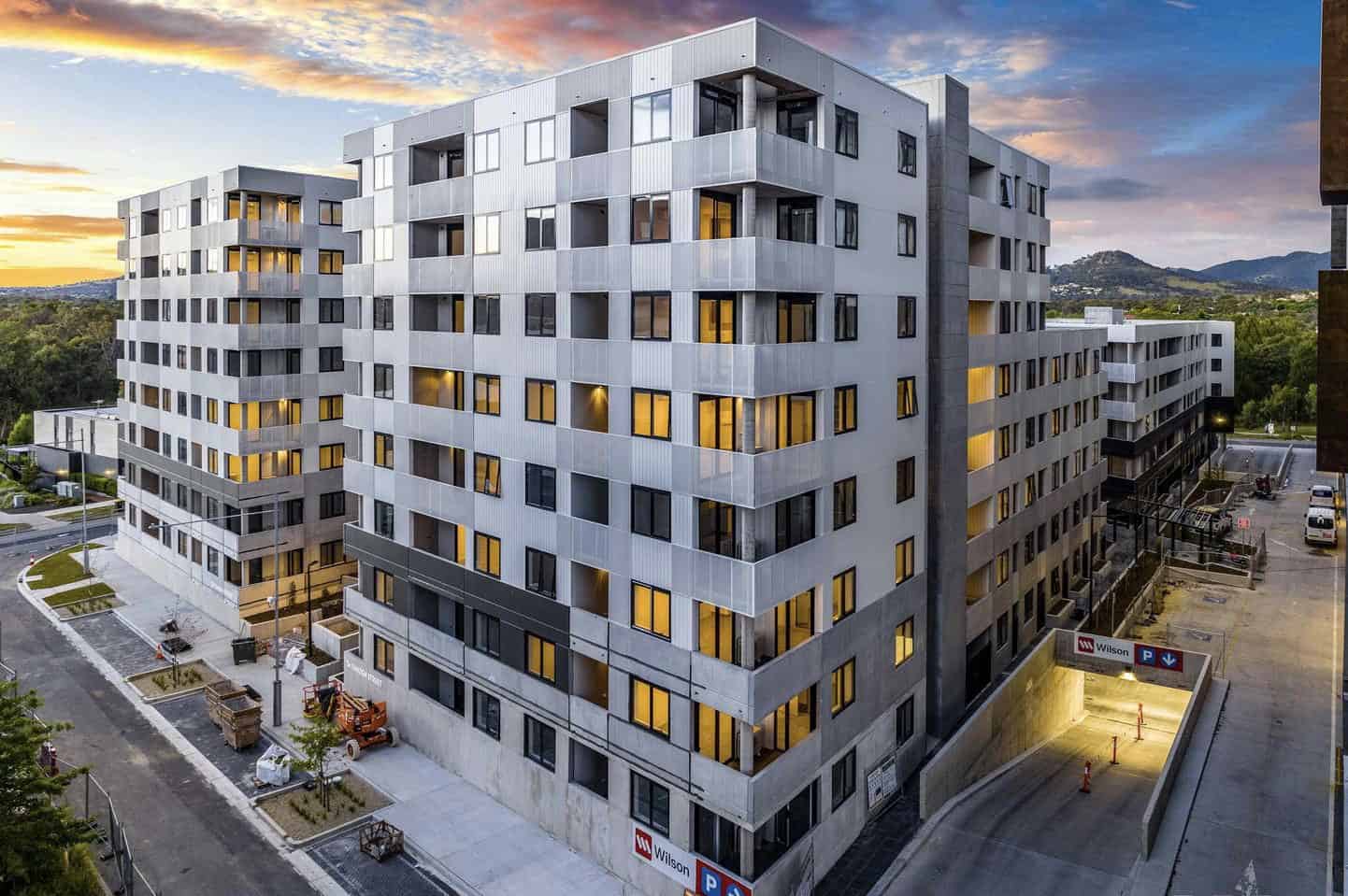
interloQ at Aspen Village
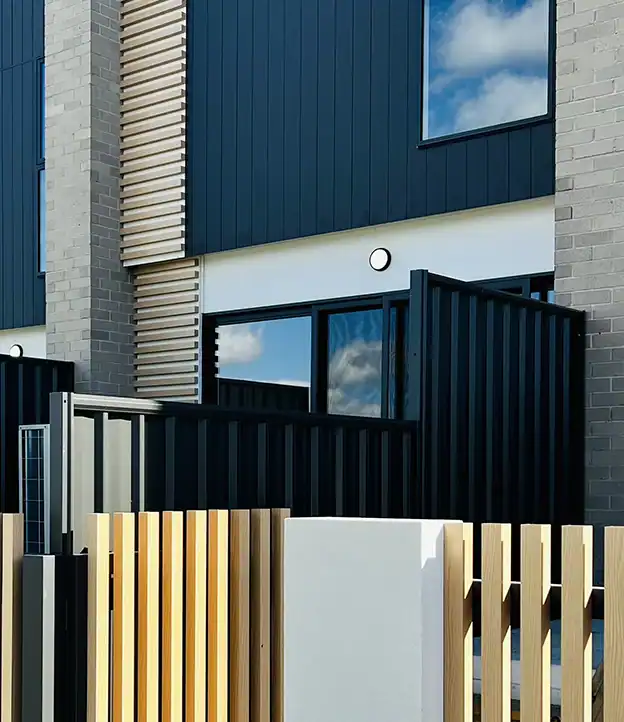
interloQ & conneQt at Elswood Taylor
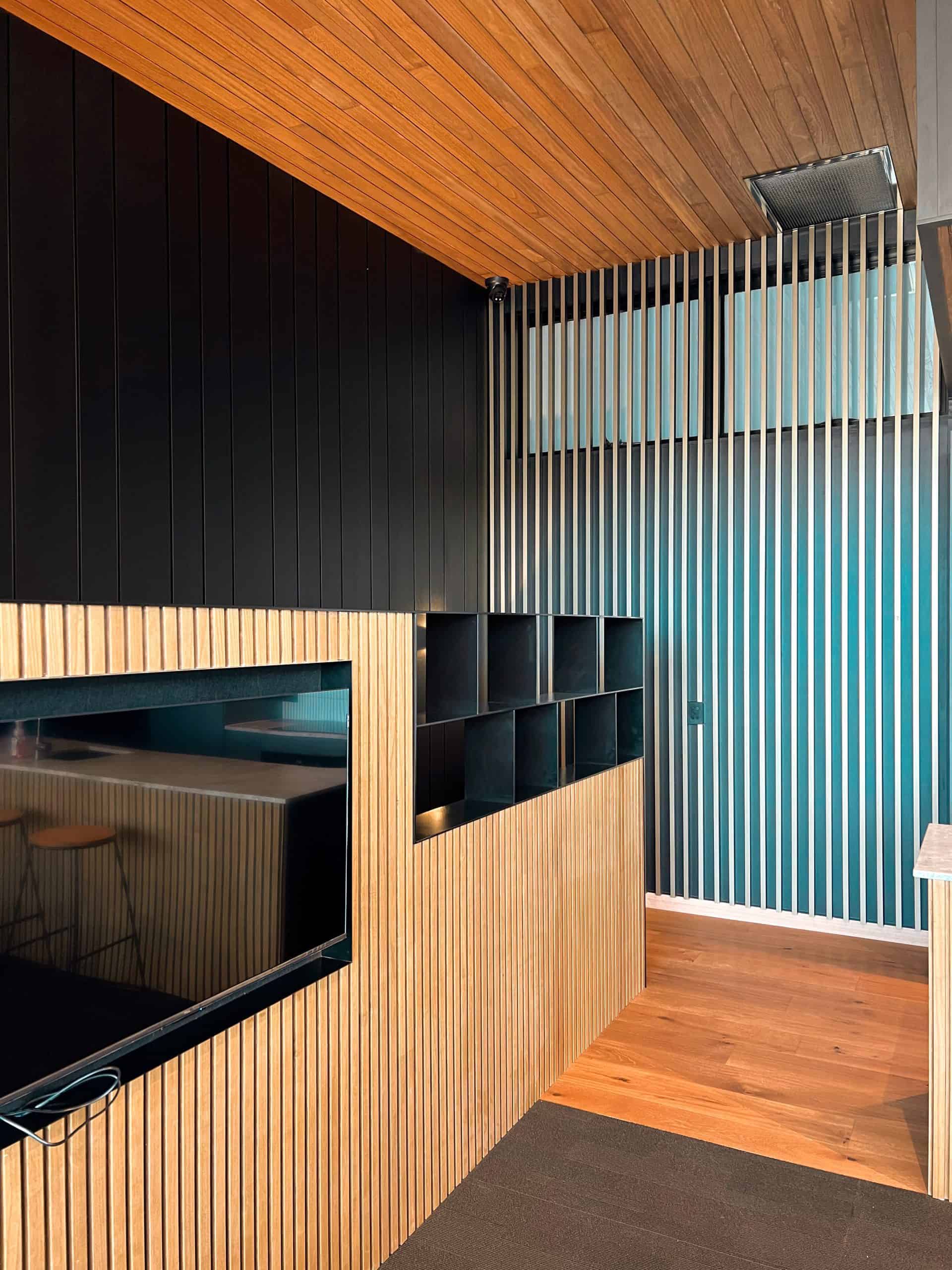
interloQ and conneQt at 8 Beaconsfield Street Fit-Out
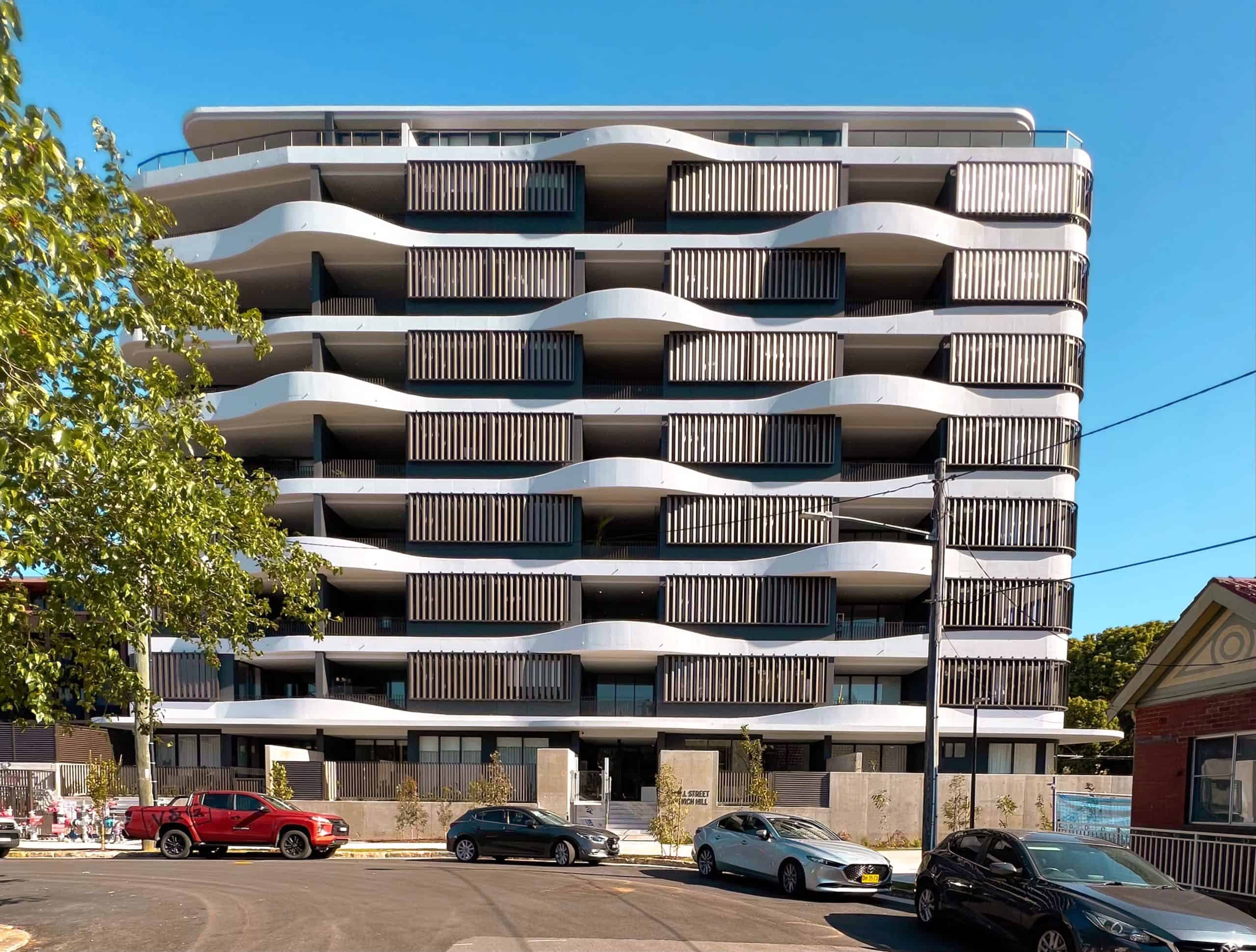
interloQ at 1 Hill Street Dulwich Hill
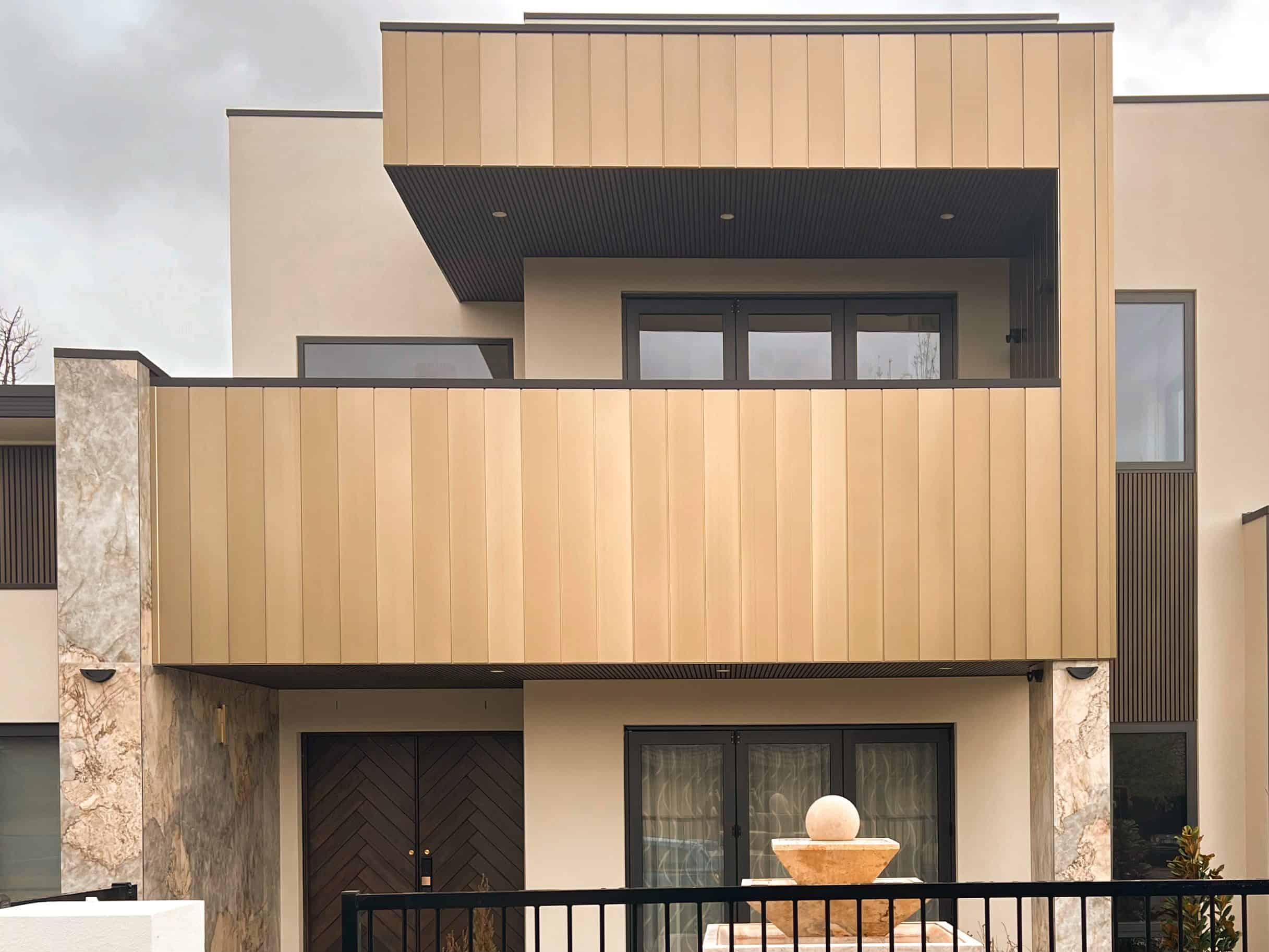
interloQ at 1 Nathan Street Deakin
Ready to use interloQ?
Talk to our team about pricing, samples, or technical support.